
Featured products

Are you sure you want to remove this item?

Your Cart

Your cart is empty.

Why some items arrive later

Items in stock are ready to leave our warehouse now, so they arrive soonest.

Items on their way to us ship once that stock lands, on the date shown against them in your cart.

The estimate above covers your whole order, so the latest item sets it. To receive the in-stock items sooner, place a separate order for them.

Change region

Add to your wishlist

Log in or create an account to add your favourite items to your wishlist. Create curated lists and share your favourites with friends and family.

From the range

Store collection

We offer store collection as an option. Once you place an order online and request store collection, a team member will contact you via sms or email once the item has arrived in store and is ready for collection. Items are generally ready for collection within 7 business days.

Is this your location?

Based on your device, you appear to be near:

Item has been added to your cart

Decorating with Marble: How to Choose and Style Marble Coffee and Side Tables

How to choose marble by tone and veining, pair coffee and side tables, style the surface and keep natural stone looking good for years.

Marble used to mean the formal lounge. White stone, cool grey veins, and a quiet rule about where you could put your glass. That version still exists, but it isn't the one turning up in living rooms now.

The marble people are choosing today is warmer and far more varied. Think deep chocolate stone threaded with gold, cream run through with rust-coloured lines, a red so rich it's close to burgundy, or a soft green that moves across the surface like water. It sits on timber legs and brushed metal frames, beside linen sofas and jute rugs, and it looks completely at ease there.

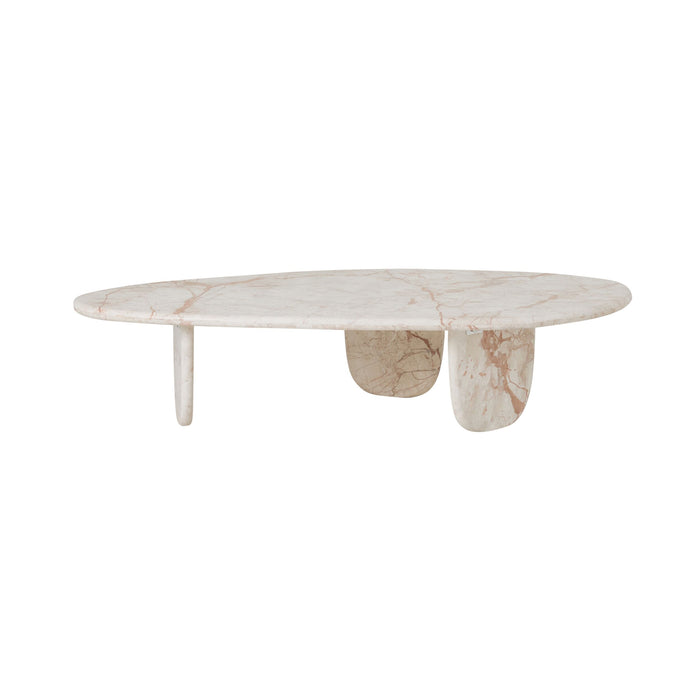
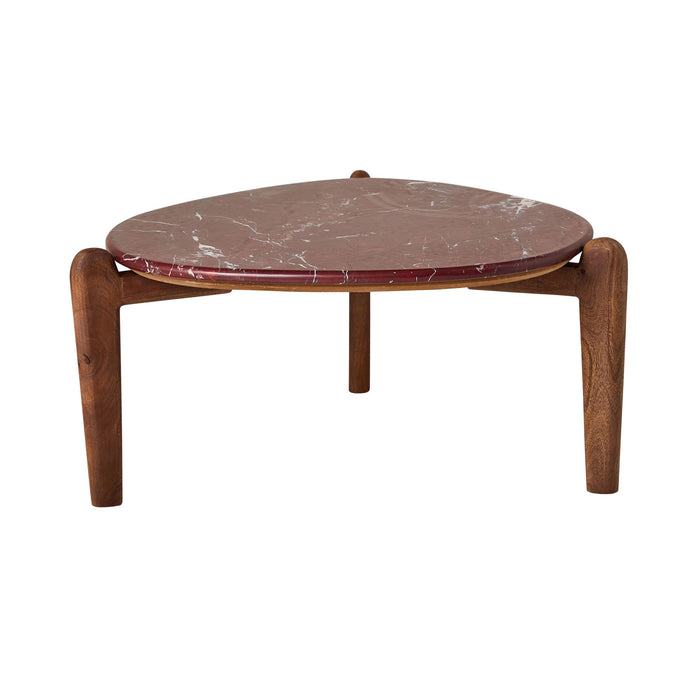
If you love the look but aren't sure where to begin, this guide covers it. You'll learn how to read the stone and choose a tone that suits your room. It also covers pairing a coffee table with a side table, styling the top, and caring for marble so it keeps its character. Our new marble coffee tables and side tables are the examples throughout, alongside favourites from our earlier marble range.

Why no two marble tables are the same

Marble starts life as limestone. Over a very long time, heat and pressure recrystallise it, and minerals moving through the stone leave the veins and clouds of colour you see on the surface. Every slab is cut from a different part of the block, so every top is different.

In practice, the table that arrives at your door won't be a perfect copy of the one in the photo. The veining will run its own way, and the tone may sit a shade warmer or cooler. That's the appeal: you're getting a piece with its own character, not a printed pattern.

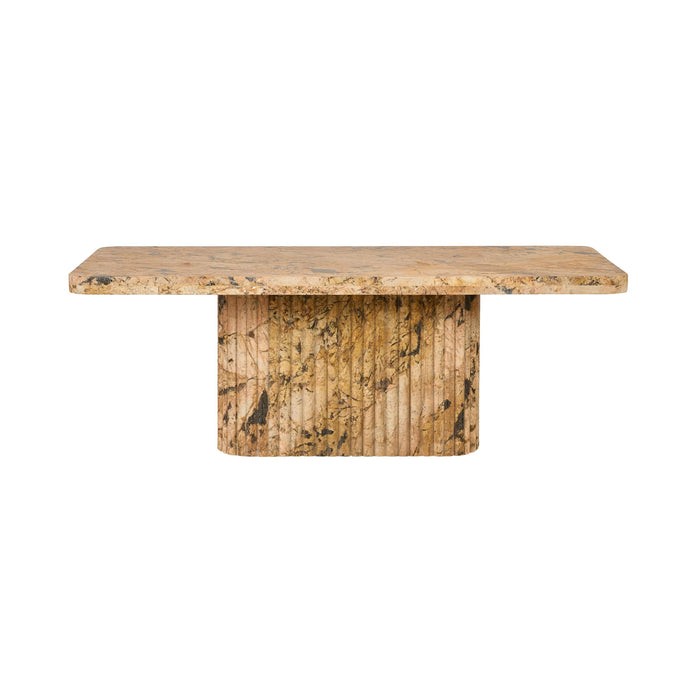
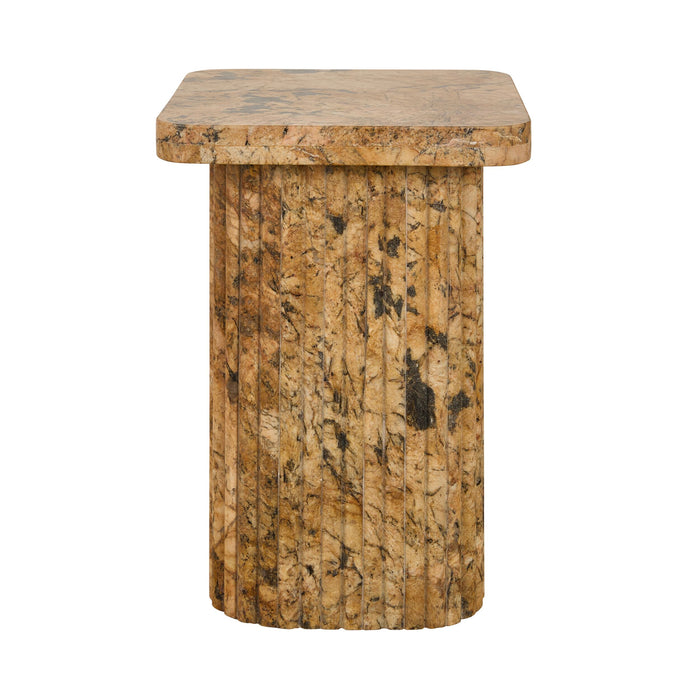
Natural stone also carries small natural features. You might see fine fissures, tiny pinholes or a shift in tone across the top. These are part of the stone, not flaws in the making. Most of the collection is marble, with one travertine piece. Travertine is a different natural stone, known for its pitted, textured surface and earthy colouring.

Quiet or bold: choosing your veining

The most useful question isn't which marble you like best. It's how much pattern your room can already hold.

Look at what's there now: the rug, the grain in the floorboards, the sofa fabric, the curtains, any art on the walls. If the room already has a patterned rug, strong timber grain or a print or two, a tone-on-tone marble usually sits better. Think cream on cream or soft beige, where the veining is fine and close in colour to the stone around it. From across the room it reads as texture, and up close you still get all the detail.

If the room is calmer, with a plain sofa, neutral walls and a simple rug, it can carry far more. Dark grey veining against beige, or bright veins cutting through brown stone, gives the room a focal point it may have been missing.

One quick test is to stand in the doorway. A bold stone on a large coffee table will be the first thing you see, so decide if that's what you want. If you're drawn to dramatic marble but a little nervous, start with a side table. The same stone over a smaller surface gives you a flash of it rather than a whole floor's worth.

Coloured marble and what to pair it with

Colour is where marble has changed most. These tones bring warmth without needing much else around them.

Brown and chocolate. Moody and grounded. It suits dark timber, caramel leather, olive velvet and brass, and it comes into its own in rooms with warm, low lighting.

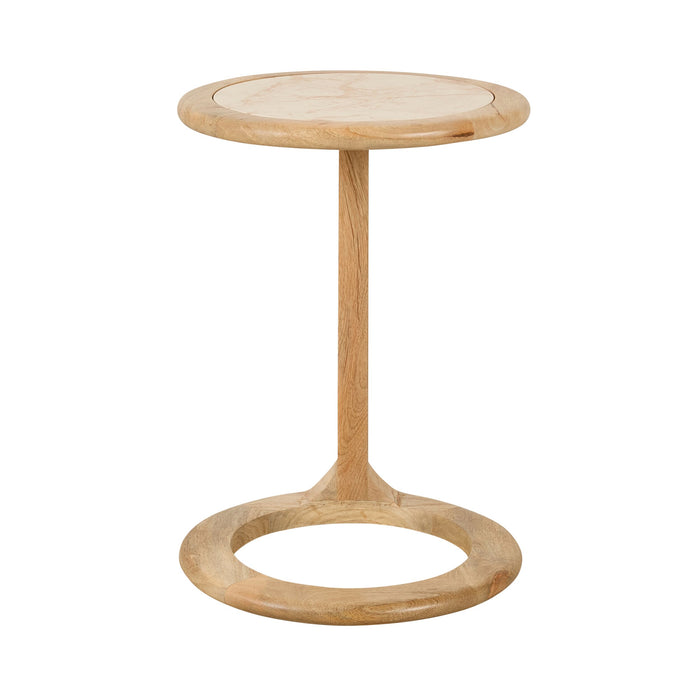
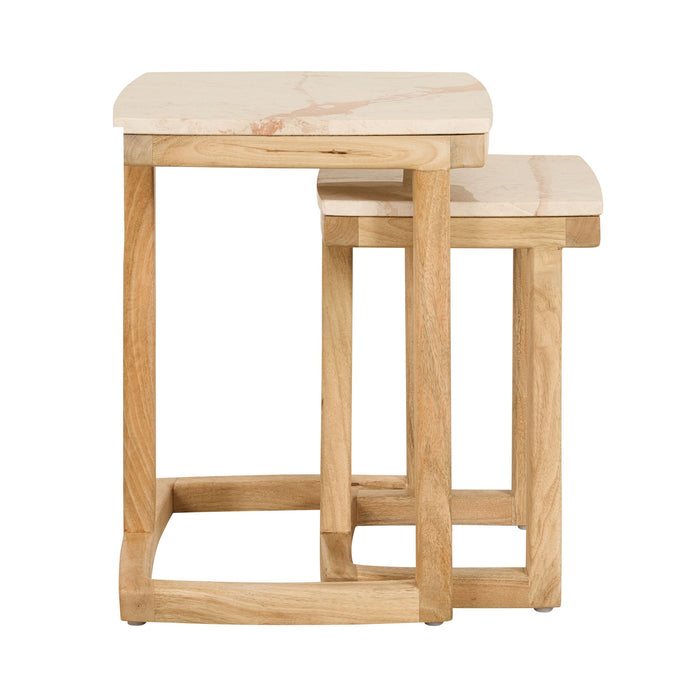
Cream and beige with warm veining. The easiest to live with. Pair it with light oak, linen, jute and white walls for a relaxed, coastal feel that never looks unfinished.

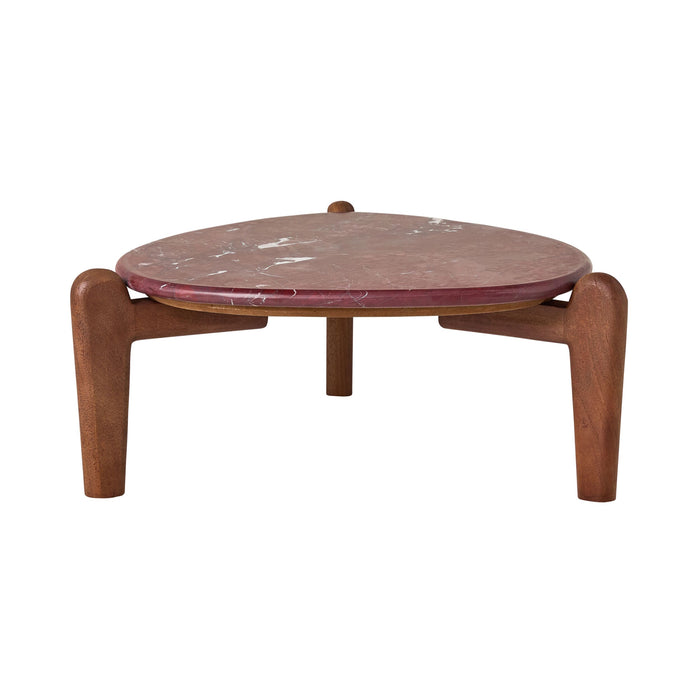
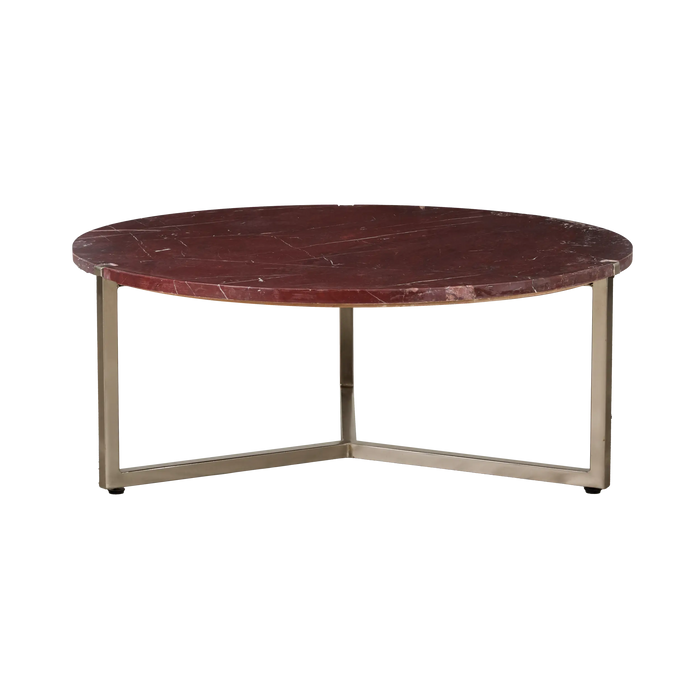
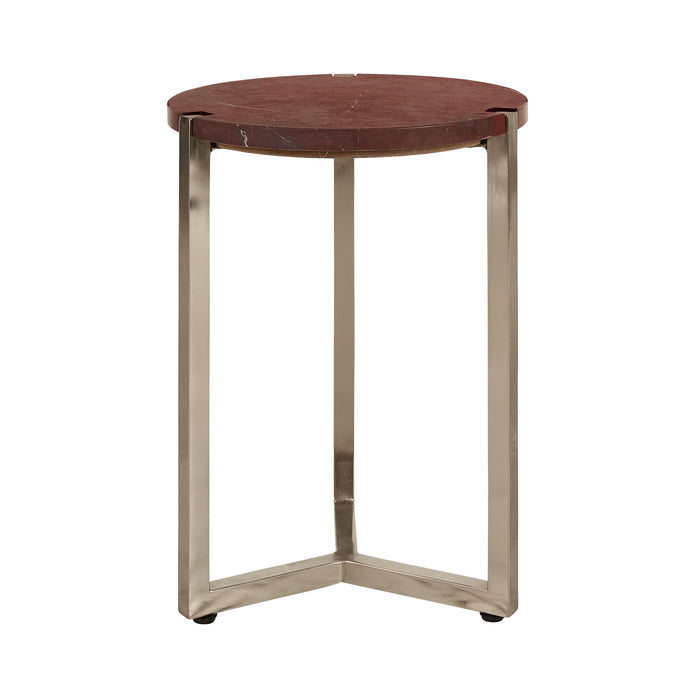
Red. Give it room to be the feature. It looks best against greens and earthy neutrals, so an olive sofa, a natural rug and warm timber all let the stone lead.

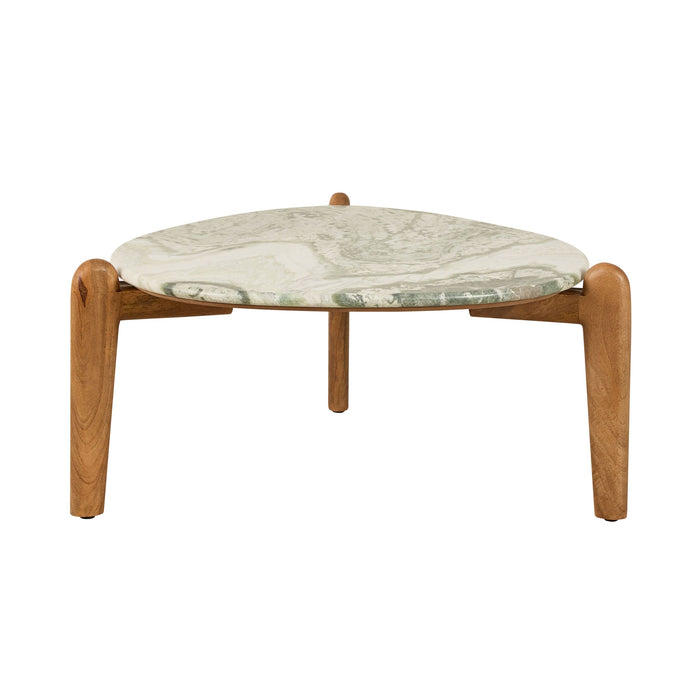
Green. Fresh without being loud. It pairs naturally with timber, cream boucle and terracotta, and it brings a little of the garden indoors.

The base matters as much as the top. Timber legs soften marble and make it feel more relaxed and homely. A brushed metal frame sharpens it into something cleaner and more contemporary. A sculptural stone base turns the whole table into a piece of solid stone.

Mix it, match it or clash it

Once you've found a stone you love, the next decision is what sits beside it.

Match it. A coffee table and side table in the same stone is the simplest way to make a living room feel pulled together. In open-plan spaces, repeating the stone helps define the seating zone. Athena and Rosso both come as a matching coffee table and side table, so the stone and shape carry across both pieces.

Mix it. Choose two different stones that share something. That might be a similar warmth, such as cream with beige or travertine, or the same base material. A cream marble coffee table with a textured stone side table feels considered rather than matchy.

Clash it. Pairing two contrasting marbles, like green beside chocolate, is a confident move that works when the rest of the room stays calm. Give the two pieces one link, such as matching timber legs, and let one of them lead.

For help with how far apart the tables should sit and how high a side table should be, see why every living room needs both a coffee table and a side table. If you're still working out size, our coffee table guide covers proportions in detail.

How to style a marble coffee table

The stone is the decoration, so put less on top than you think you need.

Keep most of the surface clear and group your pieces in one zone, roughly a third of the top. A small stack of books, a low bowl and a candle or glass is plenty. On a bold, contrasting stone, keep objects low and simple so the veining stays visible. Tone-on-tone marble can take a little more layering.

A tray helps define that zone and gives you somewhere to put things down. A small natural marble tray on a cream top is a quiet tone-on-tone moment, while timber or ceramic adds contrast. Mix in materials the marble doesn't have, like glazed ceramic, ribbed glass, a sprig of greenery or a worn timber bowl.

Keep coasters within reach and make them part of the styling. They look good in stone or timber, and they're the easiest way to protect the surface. That leads neatly to care.

How to clean marble and keep it looking good

Marble is durable, but it's also porous, so a few easy habits make a real difference.

  • For everyday cleaning, use warm soapy water and a soft, non-abrasive cloth.
  • Clean up spills straight away, blotting rather than wiping.
  • Avoid anything acidic, caustic, oily or petroleum-based. That includes vinegar, citrus, soft drink, chlorine and nail polish remover. Skip glass cleaners like Windex too.
  • Use coasters, placemats and runners under hot cups, plates and drinks.
  • If water sits long enough to leave a mark, try drying the stone with a hair dryer on low heat, moving it in a circular motion.

We recommend sealing the top with a marble sealer within three months of purchase, then every six to twelve months after that. Sealing helps stop stains soaking in, though it isn't a guarantee against them. To check whether your table needs it, drop a little water on the surface. If it soaks in within 30 to 60 seconds, it's time to reseal.

When you move a stone-top table, always lift it with a second person, one at each end. Never drag it, because that can strain the frame or snap a leg.

Over the years, marble develops a softer, lived-in look. Tiny cracks, pinholes and gentle shifts in colour are normal with everyday use. They don't affect the quality or life of the table, and they become part of what makes it yours.

Ready to find your stone? Explore our full collection of marble coffee tables and side tables.