Why does every living room need both a coffee table and a side table?
It is a question we hear regularly in our stores and online: do you actually need both a coffee table and a side table, or will one do the job? Most living rooms have a coffee table. Fewer have a side table. And a surprising number have neither, which is a problem that tends to announce itself the moment someone sits down with a drink and realises there is nowhere sensible to put it.
Here is the short answer: a coffee table serves the whole room. A side table serves the person sitting next to it. They are solving different problems, which is why a room with both works better than a room with one.
This is a practical guide to understanding what each table actually does, how many you need, where they go, and how to use them together.
What is a coffee table actually for?
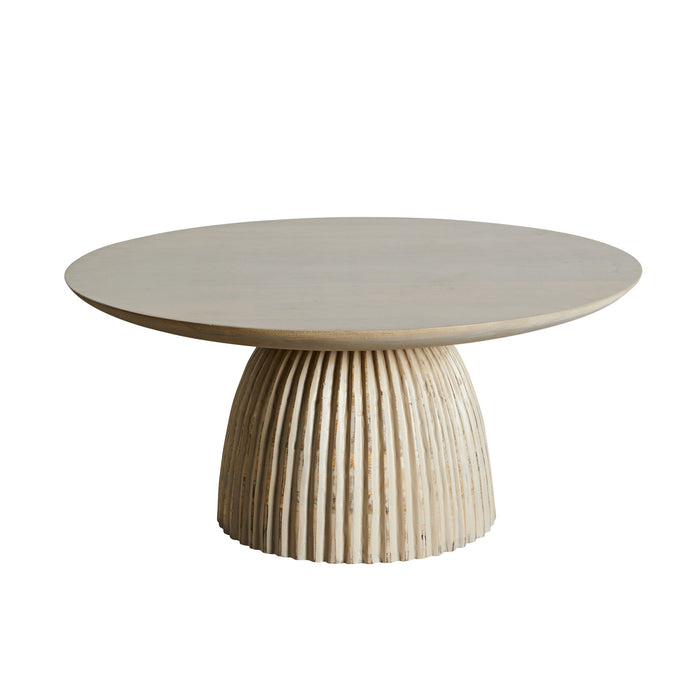
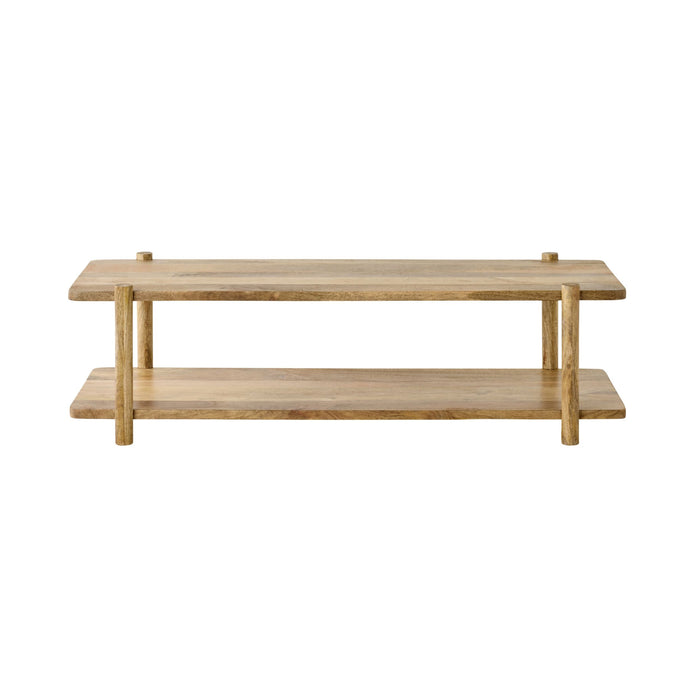
The coffee table sits in the centre of the seating group and serves the whole room. It is a shared surface: drinks, books, remotes, a bowl of something. Everyone in the room can reach it, which is the point.
That shared quality is also its limitation. A coffee table in a busy living room becomes a deposit point for whatever is closest. It collects. It fills up. And because it is in the centre of the room, whatever is on it is visible from every angle.
A well-chosen coffee table, sized correctly and styled with some intention, anchors the seating arrangement visually and gives the room a clear centre of gravity. A coffee table that is the wrong size, or perpetually overloaded, does the opposite. It makes the room feel unresolved.
For a full guide to sizing, shape, and material choices, the coffee table buying guide covers everything you need to know before purchasing.
What is a side table for?
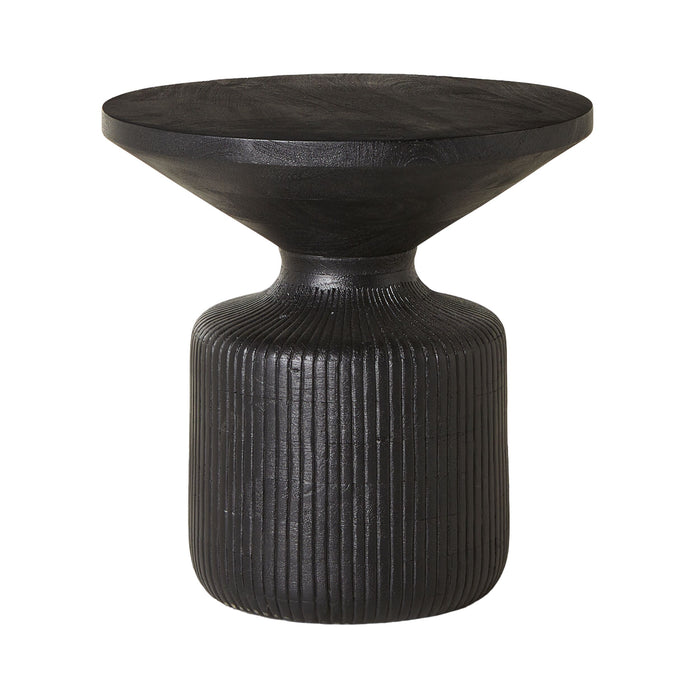
A side table serves the person sitting next to it, not the whole room. That is the distinction that matters.
It sits beside a sofa end, an armchair, or a reading chair and holds the things that belong to whoever is using that seat: a lamp, a drink, a phone, a book that is currently being read. It is personal rather than communal. It does not need to be a statement piece. It needs to be in the right place at the right height and have enough surface area to be useful.
Side tables also do something a coffee table cannot, which is serve the person sitting furthest from the centre of the room. If your sofa is long, or your living room has a chair positioned away from the main seating group, the coffee table is out of reach for those people. A side table solves that without requiring anyone to lean across the room.
Should every sofa have a side table?
Not necessarily every sofa, but every seating position that does not have easy access to a coffee table probably should.
A standard three-seater sofa with a correctly proportioned coffee table in front of it gives everyone on that sofa reasonable access to a surface. The person in the middle is fine. The person at either end is slightly less convenient. Adding a side table at one or both ends fixes this without adding visual clutter, provided the table is the right size.
An armchair positioned away from the main sofa group almost always needs a side table. Without one, the chair becomes uncomfortable to sit in for any length of time. With one, it becomes the best seat in the room.
The test is simple: sit in each seat in your living room and reach for an imaginary drink. If you are stretching awkwardly or placing things on the floor, that seat needs a table.
How many side tables does a living room actually need?
One to three is the honest answer for most living rooms, and the right number depends on the seating configuration rather than the size of the room.
A living room with a three-seater sofa and one armchair typically works well with one side table at the end of the sofa closest to the chair, and potentially a second at the other sofa end if the layout allows. Two side tables framing a sofa can also work if the room is wide enough that they do not feel crowded in.
A reading corner with a single armchair only needs one side table, and it should be close enough to reach without moving in the seat.
If you are working with a modular or L-shaped sofa that wraps around a large area, one coffee table in the centre and one or two side tables at the outer ends of the sofa gives everyone a reachable surface without the coffee table needing to be enormous.
The number that is almost always wrong: zero. One central coffee table and nothing else leaves too many seats without a practical surface, and it forces the coffee table to do a job it is not sized to do well.
Where should side tables go in a living room?
Beside the end of a sofa is the most common placement and works in almost every layout. The table should sit roughly level with the sofa arm, which makes it easy to reach without leaning forward or craning sideways.
Beside a standalone armchair is the second most practical placement. The chair and table become a self-contained zone within the room, which is particularly useful in larger living rooms where seating is spread across more than one area.
Between two chairs is a placement that gets overlooked. If two armchairs are positioned facing each other or at an angle, a single side table placed between them can serve both. This is a tidier solution than a table on each outside edge and works well when floor space is limited.
One placement to avoid: directly beside the coffee table. A side table positioned too close to the coffee table creates a visual cluster and does not add function because the coffee table is already within reach. Side tables earn their place by serving seats the coffee table cannot reach.
Should a side table match the coffee table?
It does not need to match, but it should belong to the same room. There is a difference between the two.
Matching means identical: same material, same finish, same collection. This can look considered, particularly in a room with a clean, minimal aesthetic. But it can also read as overly coordinated, especially if the rest of the room has some variety in it.
Belonging means sharing enough common ground that the pieces feel like they were chosen together even if they were not. A timber coffee table with a side table in a similar tone but a different form. A marble-top coffee table paired with a side table that echoes the stone-look surface but takes a different silhouette. Coordinated relationships between colours and materials, without being matchy.
There is also a third approach that works particularly well: using one standalone piece as the anchor. A sculptural side table or a distinctive coffee table that does not belong to any collection draws the eye and gives the room a focal point. The other tables in the room then play a supporting role rather than competing. Early Settler carries a range of individual pieces designed exactly for this purpose, and a single well-chosen standalone can do more for a room than a perfectly coordinated set.
The detail that matters most in all of this is height, not material. A side table that sits significantly lower than the sofa arm looks wrong regardless of how well the finishes coordinate. Get the height right first, then think about the finish.
What height should a side table be?
The standard recommendation is for a side table to sit at or within a few centimetres of the sofa arm height. Most sofa arms sit between 55cm and 65cm from the floor, which means most side tables in the 55cm to 65cm range will work.
Going slightly lower than the arm is generally fine. Going significantly higher starts to feel awkward because the table surface is then above a natural resting height and things placed on it feel precarious.
If you are pairing a side table with a low-profile or armless sofa, the target height shifts down accordingly. The same logic applies: reach from a seated position should feel natural, not effortful.
One practical note: if you are also using the side table to hold a lamp, factor in the lamp height when thinking about the table height. A very tall lamp on a very tall side table can overpower the seating group. A shorter lamp on a mid-height table often works better.
Can you have too many tables in a living room?
Yes. The signs are usually visible before you consciously notice them.
Too many tables makes movement through the room feel like an obstacle course. It also creates a visual busyness that is hard to resolve with styling because the problem is structural, not decorative.
A few indicators that the room has crossed the line:
• You are moving tables out of the way regularly to walk through the space.
• No single surface is used consistently because there are too many options and none of them feel like the obvious choice.
• The room looks full even when it is tidy.
• Adding a new accessory or lamp means first removing something from an existing table to make room.
The fix is usually not replacing tables with different tables. It is removing one or two and noticing that the room immediately feels larger and more intentional. Fewer, better-placed tables almost always work harder than many tables scattered around the room.
How do you style a coffee table and side tables together?
The coffee table and the side tables are working in the same room, so there is a logic to styling them with some awareness of each other, even if they are not matching pieces.
The coffee table, as the central surface, can handle a small composed grouping: a low bowl or object, a candle, a couple of books stacked flat. It is visible from every seat so it earns more attention.
Side tables should be more functional and less decorated. A lamp does most of the visual work on a side table. Beyond that, a coaster, a small plant, or a single object is usually enough. Overloading a side table with decorative objects defeats the purpose of having a useful surface beside a seat.
The rhythm that tends to work: one composed surface (the coffee table), one or two functional surfaces (the side tables). Vary the heights of objects on the coffee table. Keep the side tables relatively clear. The contrast between the two actually makes both look better.
Browse the full range of coffee tables and side tables at Early Settler, with options across timber, stone-look, metal and mixed materials to suit every living room layout. If you are still working out the coffee table itself, the coffee table buying guide covers size, shape, height and materials in full detail.