





What outdoor living ideas is our Product Designer excited about this season?
Meet Monica, Product Designer and discover the colours, shapes and ideas inspiring our new Outdoor Collection.


Something's shifting outside
Where the ideas actually come from

A little more colour, please

Curves are having a moment

Mix, don't match

The beauty of a little imperfection


Let the table do less work

Built for staying outside longer

Small space, big personality

The finishing layer

Frequently asked questions


Shop the Look
-
Jesi 2 Seater Sage Green
Regular price $299.00 Sale price $209.00Jesi 2 Seater Sage Green
Regular price $299.00 Sale price $209.00Jesi Occasional Chair Sage Green
Regular price $149.00 Sale price $104.00 -
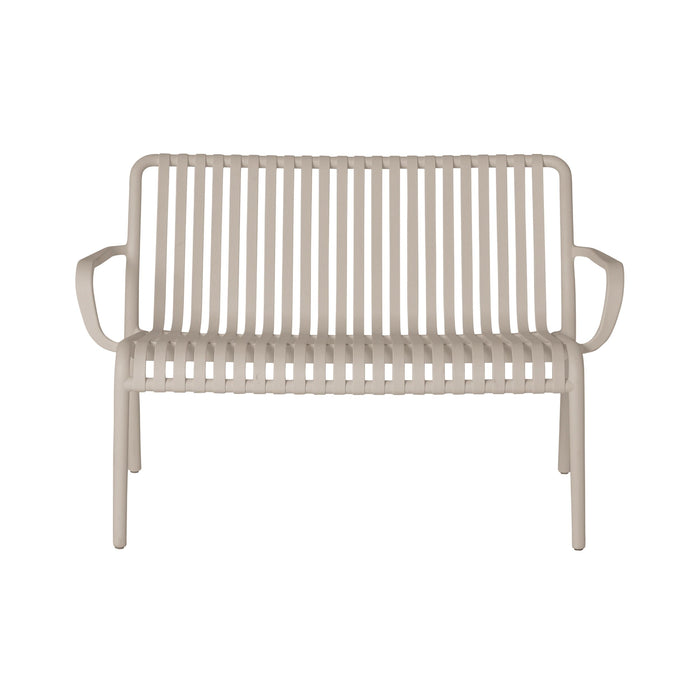
Jesi 2 Seater Light Taupe
Regular price $299.00 Sale price $209.00Jesi 2 Seater Light Taupe
Regular price $299.00 Sale price $209.00Jesi Occasional Chair Light Taupe
Regular price $149.00 Sale price $104.00 -
Jesi 2 Seater Tea Rose
Regular price $299.00 Sale price $209.00Jesi 2 Seater Tea Rose
Regular price $299.00 Sale price $209.00Jesi Occasional Chair Tea Rose
Regular price $149.00 Sale price $104.00 -
Jesi Bar Stool Cinnamon
Regular price $149.00 Sale price $79.00 -
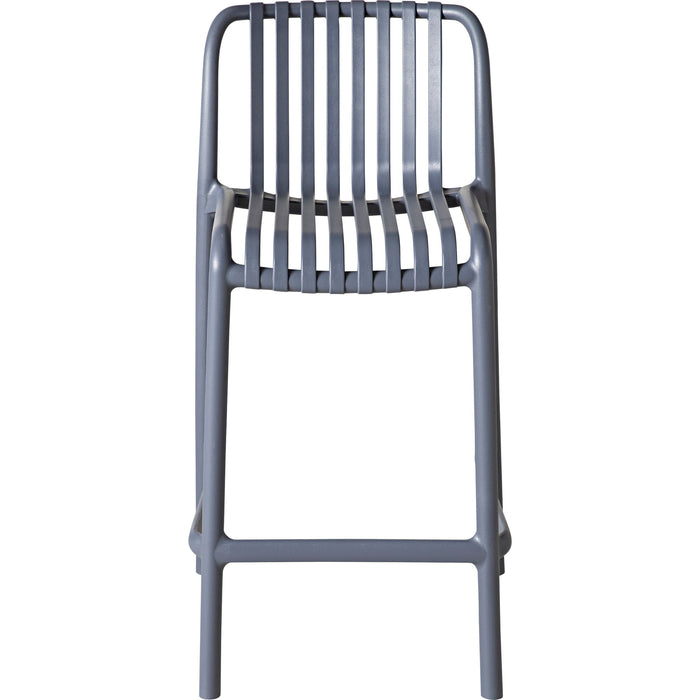
Jesi Bar Stool Granite
Regular price $149.00 Sale price $104.00 -
Jesi Bar Stool Leaf Green
Regular price $149.00 Sale price $104.00 -
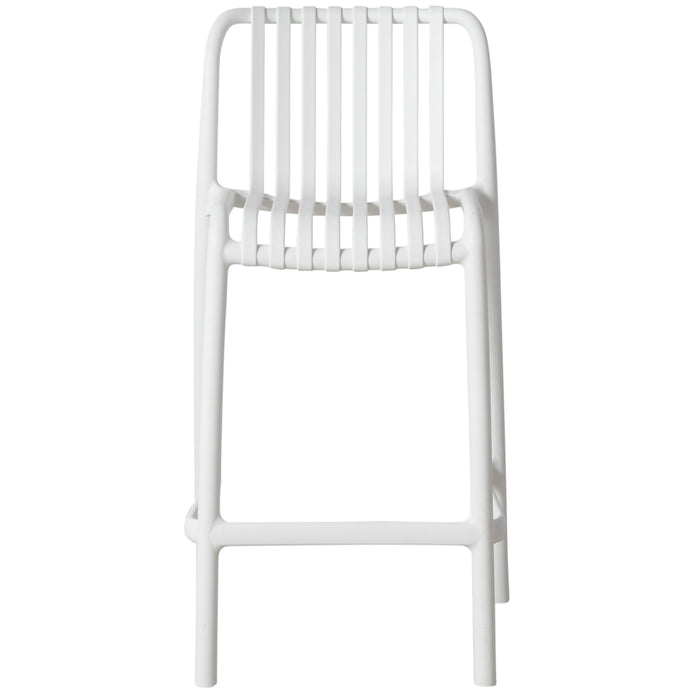
Jesi Bar Stool Light Taupe
Regular price $149.00 Sale price $104.00Jesi Bar Stool Light Taupe
Regular price $149.00 Sale price $104.00Jesi Dining Chair Light Taupe
Regular price $129.00 Sale price $90.00 -
Santana Aluminium Dining Table 260cm (Extends to 370cm) Steely Green
Regular price $1,999.00 Sale price $1,399.00Santana Aluminium Dining Table 260cm (Extends to 370cm) Steely Green
Regular price $1,999.00 Sale price $1,399.00Santana Aluminium Extension Table Steely Green 200/300cm
Regular price $1,599.00 Sale price $1,099.00Santana Bench 185cm Steely Green
Regular price $699.00 Sale price $489.00 -
Santana Aluminium Dining Table 260cm (Extends to 370cm) Taupe
Regular price $1,999.00 Sale price $1,399.00Santana Aluminium Dining Table 260cm (Extends to 370cm) Taupe
Regular price $1,999.00 Sale price $1,399.00Santana Aluminium Extension Table 200cm (Ext 300cm) Taupe
Regular price $1,599.00 Sale price $1,099.00Santana Bench 185cm Taupe
Regular price $699.00 Sale price $489.00 -
Santana Aluminium Extension Table Rose Pink 200/300cm
Regular price $1,599.00 Sale price $1,099.00Santana Aluminium Extension Table Rose Pink 200/300cm
Regular price $1,599.00 Sale price $1,099.00Santana Bench 185cm Rose Pink
Regular price $699.00 Sale price $489.00 -
Santana Aluminium Extension Table Steely Green 200/300cm
Regular price $1,599.00 Sale price $1,099.00Santana Aluminium Extension Table Steely Green 200/300cm
Regular price $1,599.00 Sale price $1,099.00Santana Aluminium Dining Table 260cm (Extends to 370cm) Steely Green
Regular price $1,999.00 Sale price $1,399.00Santana Bench 185cm Steely Green
Regular price $699.00 Sale price $489.00 -
Santana Bench 185cm Rose Pink
Regular price $699.00 Sale price $489.00Santana Bench 185cm Rose Pink
Regular price $699.00 Sale price $489.00Santana Aluminium Extension Table Rose Pink 200/300cm
Regular price $1,599.00 Sale price $1,099.00 -
Santana Bench 185cm Steely Green
Regular price $699.00 Sale price $489.00Santana Bench 185cm Steely Green
Regular price $699.00 Sale price $489.00Santana Aluminium Extension Table Steely Green 200/300cm
Regular price $1,599.00 Sale price $1,099.00Santana Aluminium Dining Table 260cm (Extends to 370cm) Steely Green
Regular price $1,999.00 Sale price $1,399.00 -
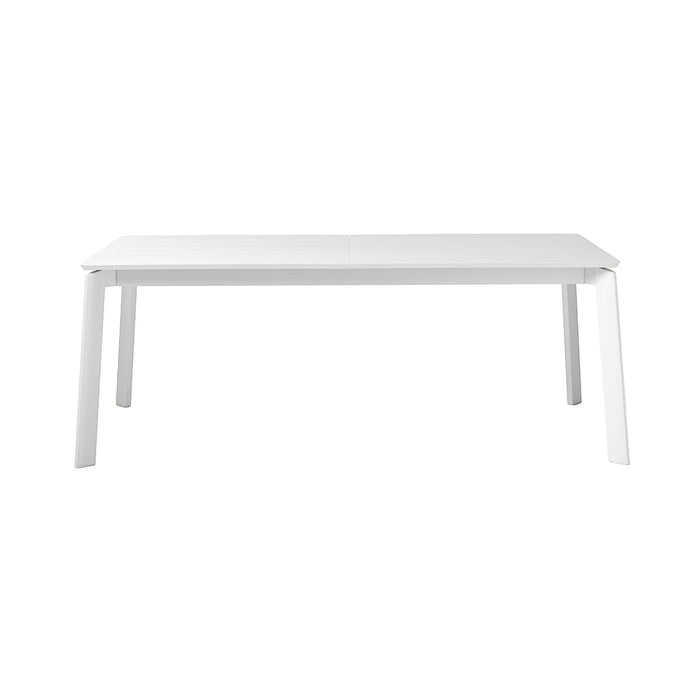
Santana Aluminium Extension Table White 200/300cm
Regular price $1,599.00 Sale price $1,099.00Santana Aluminium Extension Table White 200/300cm
Regular price $1,599.00 Sale price $1,099.00Santana Bench 185cm White
Regular price $699.00 Sale price $489.00 -
Santana Aluminium Extension Table 200cm (Ext 300cm) Taupe
Regular price $1,599.00 Sale price $1,099.00Santana Aluminium Extension Table 200cm (Ext 300cm) Taupe
Regular price $1,599.00 Sale price $1,099.00Santana Aluminium Dining Table 260cm (Extends to 370cm) Taupe
Regular price $1,999.00 Sale price $1,399.00Santana Bench 185cm Taupe
Regular price $699.00 Sale price $489.00











Inspiration
Related Articles
-
How to Style Statement Furniture So One Piece Does the Work
Not every room needs more furniture. How to choose and style a statement piece, from bone inlay to coloured marble, so one piece carries the room.
-
Hosting Christmas at Home: The Furniture That Makes Room for Everyone
Start with two numbers: how many are eating and how many are staying. Here's the table, extra seats and guest bed to fit everyone this Christmas.
-
How to Decorate Your Home for Christmas
Choose a Christmas look that suits your home, then carry it from the tree to the table. Styling ideas, table tips and our Heirloom and Mistletoe ranges.
-
How to Choose a Ceiling Fan: Size, Height and Style
Work out the right ceiling fan size for your room, check your ceiling height and choose blades and finishes that suit your space. Shop the new range online.
-
How to Choose the Right Rug for Every Room
Most people underestimate rug size. That's the honest truth about rug buying. They find a style they love, pick what feels like a reasonable size, and then stand back after it's down wondering why the room still feels off. The rug is too small. The...
-
Tips for Effortless Summer Entertaining
Summer is finally here, and at Early Settler, we believe your outdoor space should feel just as personal and inviting as the rest of your home. Whether you’re hosting a lively cocktail hour or enjoying a quiet moment with a good book, we’ve got some...
-
Choosing and Caring for Your Early Settler Outdoor Furniture
Investing in new outdoor furniture is exciting! At Early Settler, our collections are designed to be loved for seasons to come, and understanding how to care for outdoor furniture from day one ensures they stay beautiful. Our Melbourne-based design team focuses on timeless appeal and...
-
Ready to Define Your Outdoor Aesthetic This Summer?
Your outdoor living space should feel just as personal and inviting as the rest of your home. At Early Settler, we believe great design begins with a deep understanding of how people live.
-
Timeless Teak Furniture: The Perfect Blend of Durability and Style
When it comes to furniture that can stand the test of time, teak is an exceptional choice. Known for its durability, beauty, and versatility, teak has become a popular option for both indoor and outdoor settings. Let's explore the timeless appeal of teak furniture, the...


