June 10, 2026 12 min read

How to Choose the Right Rug for Every Room

By Early Settler

Most people underestimate rug size. That's the honest truth about rug buying. They find a style they love, pick what feels like a reasonable size, and then stand back after it's down wondering why the room still feels off. The rug is too small. The furniture looks disconnected, the proportions feel off, and the space does not quite come together.

Size is the decision that matters most. Material and style come after.

This guide covers everything you actually need to know before you buy: what size works in each room, which materials and textures suit different spaces, how to match a rug to the way you live, and a few styling principles that genuinely make a difference. We have also included the mistakes worth avoiding, because some of them are easy to make and surprisingly hard to undo once a rug is down.
Ready to browse? Explore our full range of Rugs and find the one that works for your space.

Why should I add a rug to my space?

It's not just warmth underfoot, though that matters too, especially in winter when bare timber or tile floors feel sharp and cold. A rug grounds a space. It pulls furniture together so a seating arrangement reads as intentional rather than arbitrary. It introduces texture and depth into rooms that are otherwise relying entirely on paint colour and fabric.

In open-plan homes, rugs do something else that's harder to articulate until you see it: they zone. A rug under the dining table says this is the dining area. A rug under the sofa says this is where we sit. Without those definitions, large open spaces can feel unresolved, like a room that hasn't finished deciding what it is yet. A rug can also be the piece that gives a room its personality. If your furniture is neutral, a patterned, textured or richly coloured rug can become the hero of the space, adding interest without needing to change everything around it. It creates a natural focal point, draws the eye and helps the room feel more finished, considered and memorable.

Layered well, a rug also softens a room that's been furnished with harder materials. Timber furniture, concrete floors, linen upholstery, metal accents. All of those are beautiful but they can add up to something cool and slightly austere. A rug pulls it back.

What size rug do I need?

Living Room

The most common approach is to have the front legs of the sofa and occasional chairs sitting on the rug. This connects the furniture pieces and helps the seating area feel grounded without needing a rug large enough to sit under everything. In smaller lounges, that works well.

In larger rooms or open-plan spaces, a more generous rug is worth considering. A rug that reaches the back legs of the sofa, or sits under all the furniture, creates a more resolved and considered feeling. If your living area is genuinely large, a 240 x 300cm rug may work well; for more generous spaces, consider a 300 x 400cm size.
Tip: lay a sheet or some towels on the floor in the size you are considering. It takes two minutes and saves a lot of second-guessing.

Dining Room

The rug needs to be large enough that dining chairs remain on it even when pulled out. This is the rule that gets skipped most often.

People often measure the table footprint and buy for that, but the chairs need space too. If someone pulls their chair back and the legs catch on the rug edge, it becomes awkward and can eventually damage the rug. Add at least 60cm beyond the table edge on all sides. For a six-seater dining table, a 240 x 300cm rug is a good starting point.

A low-pile or washable rug makes the most sense under a dining table. Spills happen, and you want something that can handle them.

Bedroom

A rug should extend at least 50 to 60cm beyond the sides of the bed, so there is something soft underfoot when you get up in the morning. For a queen bed, a 240 x 300cm rug centred under the bed typically works well. For a king bed, consider going larger.

If the budget or room size does not allow for one large rug, two hallway runners placed on either side of the bed are a great alternative. Done well, this can look considered rather than like a compromise.

Hallway and entryway

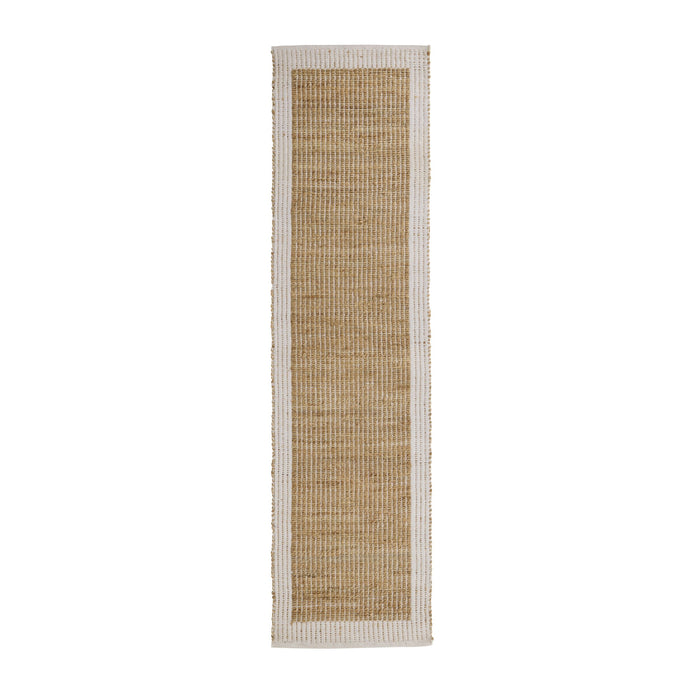
Hallway runners do two jobs: protecting a high-traffic floor and drawing the eye through the space. Length matters more than width in narrow hallways. Leave a consistent gap of around 10 to 15cm on either side so the floor is still visible, and the runner does not look wedged in.

The entryway is also worth thinking about. A door mat at the front entry is functional, but a small floor rug or runner just inside the door sets the tone for the whole home before anyone reaches the living room.

Shop Hallway Runners and Shop Door Mats

Which rug texture is best for my space?

This is where the practical decision gets personal. The most beautiful rug in the world is a poor choice if it doesn't suit how you actually live. Here's an honest breakdown of what Early Settler's main rug materials are actually like to live with.

Wool rugs

Wool is the benchmark. It's naturally resilient, bounces back from compression better than most synthetics, and has a warmth and depth underfoot that's hard to replicate. Wool rugs also tend to age well, they don't look worn so much as broken in. The trade-off is price and the fact that wool doesn't love moisture, so keep it away from bathrooms or outdoor areas.
Wool rugs are best placed in living rooms, bedrooms, formal dining areas and homes that want longevity over low cost.

Shop Wool Rugs

Jute rugs

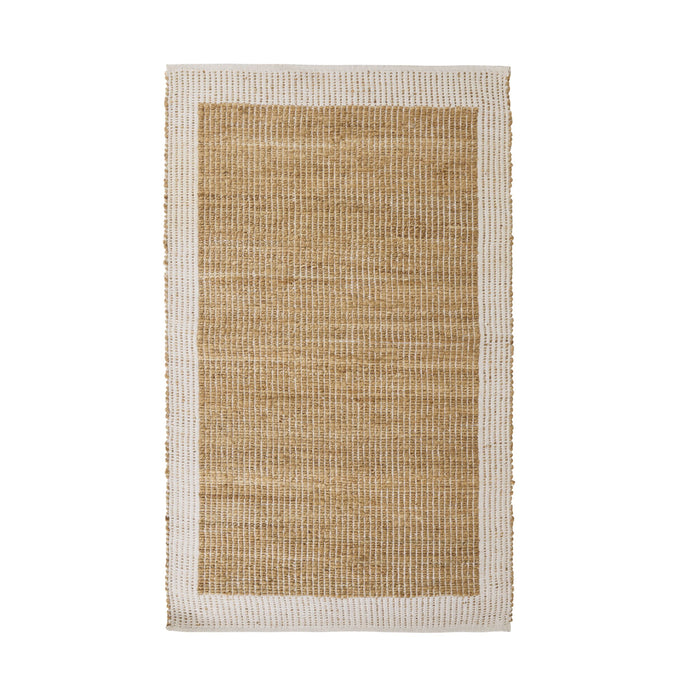
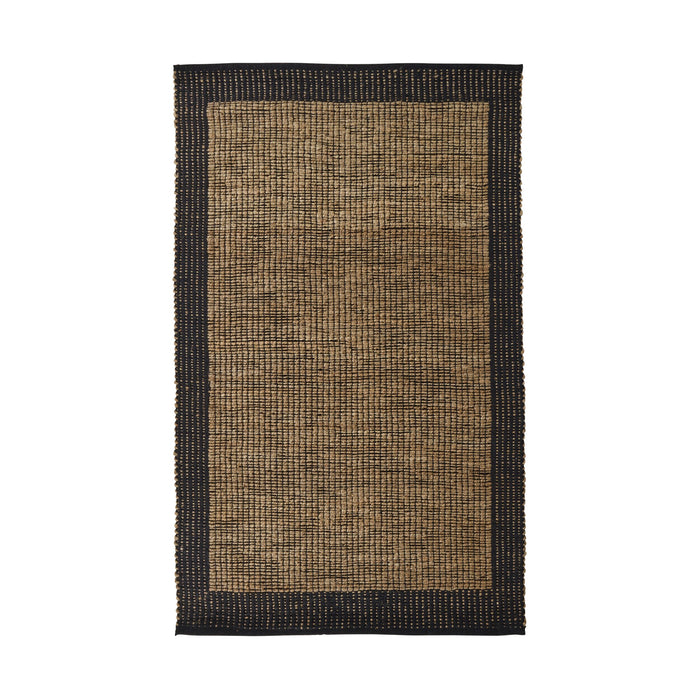
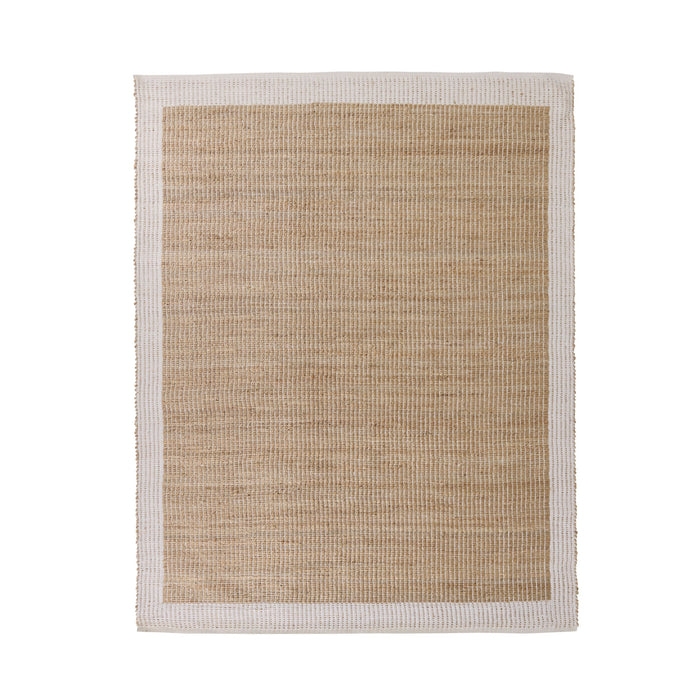
Jute has an earthy, relaxed quality that works well in coastal homes and spaces built around natural materials. It's firm underfoot and slightly textural, which means it adds visual depth without softness. Jute doesn't respond well to moisture, so kitchens, bathrooms and outdoor areas are off the list.  Jutes rugs work well in living rooms, entryways, open-plan spaces with a relaxed and homes with natural aesthetic.

Shop Jute Rugs

Washable rugs

These are the practical choice for busy households. Families with young kids, homes with dogs, anyone who wants to stop worrying every time a glass tips over. The ability to throw a rug in the machine when a muddy dog has decided to shake itself dry in the lounge is genuinely useful.

Washable rugs have improved significantly. The days of plasticky, flat-looking options are largely behind us. You can now find washable rugs in textured and patterned styles that hold up visually as well as they hold up to cleaning.  Washable rugs are perfect for dining rooms, kids' rooms, living areas in pet and family homes and entryways.

Shop Washable Rugs

Synthetic rugs

Polypropylene and other synthetic fibres offer a durable, low-maintenance option at an accessible price. They resist staining better than natural fibres, which makes them a smart choice for high-traffic areas or anyone on a tighter budget who still wants a proper rug rather than a floor mat. They don't have the same depth underfoot as wool, but are a decent option.  Synthetic rugs are great in hallways, high-traffic living areas, households where practicality comes first and outdoor-adjacent spaces.

Shop Synthetic Rugs

Cotton Rugs

Light, easy to clean and generally lower pile than wool or synthetic options. Cotton rugs have a casual, relaxed quality. Cotton Rugs are at home in kids' rooms, casual living areas, bedrooms where a softer flatweave-style is preferred and anywhere you want a rug that's easy to manage without overthinking it.

Shop Cotton Rugs

Which look is best for me?

Modern Rugs

Clean lines, graphic patterns, considered colour use. Modern rugs work in contemporary interiors where the furniture is fairly minimal and the rug is doing the visual heavy lifting. They can also ground transitional spaces that are somewhere between traditional and contemporary.

Shop Modern Rugs

Traditional rugs

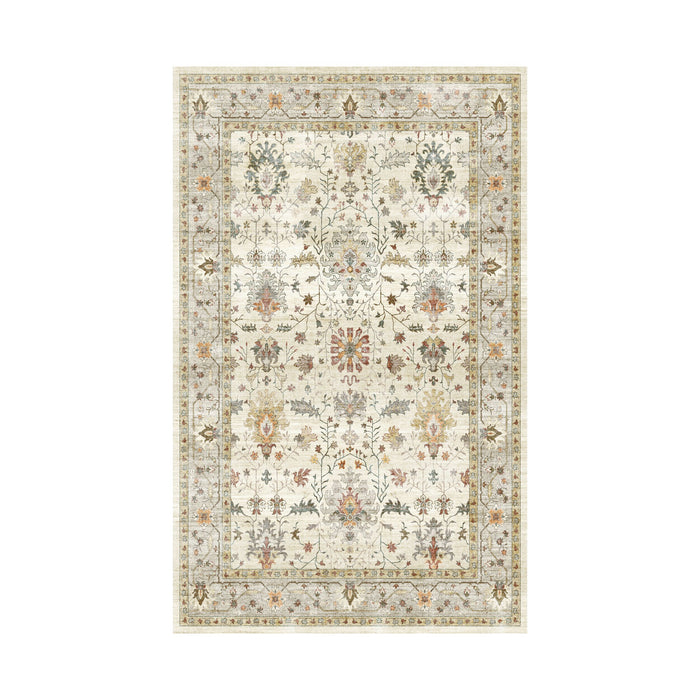
These carry a quality that's hard to manufacture: they look like they've been somewhere. Faded tones, slightly irregular patterns, that worn-in warmth. Traditional-style rugs work in both older homes and very contemporary spaces, and they tend to age well because they already look aged. A traditional rug in a modern room can be the thing that stops the space from feeling too sterile.

Shop Traditional Rugs

Patterned Rugs 

A patterned rug carries a lot of a room's personality. For rooms that are otherwise neutral in furniture and colour, a patterned rug can be exactly what the space needs to feel finished. The general principle is: the bolder the pattern, the simpler the surrounding furniture. Let one thing lead.

Shop Patterned Rugs

Textured rugs

Textured rugs sit between low-pile and plush. They bring visual depth through weave construction rather than pile height, which means they often photograph beautifully and feel considered in person. A chunky woven or boucle-style textured rug adds warmth to a neutral room without demanding a lot of care.

Shop Textured Rugs

Plush Rugs

These are what most people picture when they want a rug to feel genuinely soft. The deeper pile, the more warmth and comfort underfoot. Plush rugs show vacuum tracks and footprints and they're not the most practical choice for busy households with kids or pets. But for a bedroom or a quieter sitting room, they earn their place. Keep in mind that plush rugs in lighter colours show marks more readily. If you want soft pile but have a busy household, go darker or go patterned.

Shop Plush Rugs

Where should I use a rug in my home?

The obvious rooms are living areas and bedrooms. But rugs have more range than most people use them for.

Living room. The most common placement and for good reason. A well-chosen floor rug anchors the furniture and makes the room feel like it belongs together.

Dining room. More practical than it is a style exercise, but getting it right matters. Size is everything here. Go larger than you think.

Bedroom. Softness underfoot in the morning. Visual warmth at every angle. A rug in a bedroom changes the feeling of the room more than almost anything else at a similar price point.

Home office. Often forgotten. A rug reduces noise, adds warmth, and makes the space feel more considered. A lower-pile option is practical here so chair wheels move freely.

Hallway and entryway. High visual impact for relatively little investment. A hallway runner here sets the tone for the rest of the home.

Kids' rooms. Soft underfoot for comfort, washable for practicality. This is the room where a more playful colourway earns its place.

Reading nooks and occasional chair zones. A smaller round rug or floor rug placed under an occasional chair creates a moment within a room. A simple technique that adds a layer of intentionality to a corner that might otherwise feel like an afterthought.

Outdoor areas. An outdoor rug on a deck, balcony or alfresco area extends the comfort of the indoors outside. Look for rugs rated for outdoor use — they're built to handle moisture, UV and wear.

Explore All Rugs

Rug Do's and Dont's

 Do Don't

Measure your space and your furniture footprint before you buy

Buy a rug that fits only under a coffee table and nothing else

Choose a rug size based on furniture layout, not room size alone

Choose a plush rug for a home with dogs without thinking through the maintenance

Consider your household honestly before committing to a pile height or material

Place a jute or natural fibre rug in a moisture-prone area or outdoors

Think about texture as much as colour in neutral rooms

Put a delicate dry-clean-only rug in a dining room

Leave floor visible at the edges, around 10 to 20cm is a good guide

Pull dining chairs up to the table and forget to check whether they still sit on the rug when pulled out

Rotate your rug occasionally in high-traffic areas for even wear

Skip the entryway - it is the first thing anyone sees and a hallway runner or door mat makes a real difference

Consider a washable rug if you have kids, pets, or a dining room that sees real use

Go too small because it felt like the safer option - it's the most common rug regret

Use a rug underlay where needed to help keep your rug in place, reduce movement and add an extra layer of comfort underfoot

Don’t choose a smaller rug just because it feels safer. A well-proportioned rug will make the room feel more resolved


    How should I style my rug with other items in the room?

    Texture matters more than colour in neutral rooms. A cream textured rug reads completely differently to a cream plush rug. If your room is already working in a similar palette, think about what the rug is adding in physical texture, not just colour.
    One patterned element at a time. A patterned rug in a room with patterned cushions and patterned curtains is competing with itself. One should be leading. The others should be supporting.

    Round rugs work well in specific spots. Under a round dining table, in a hallway, beneath an occasional chair. They soften angular rooms and add variety to spaces that are otherwise full of rectangular furniture.

    Don't overthink the bedroom. A large floor rug centred under the bed, extending at least 50cm on each side, is the simplest approach and it works almost every time.
    Let texture lead in coastal and earthy interiors. Jute, natural fibre, and woven cotton rugs suit relaxed Australian and New Zealand homes far better than highly patterned or plush options in many cases. The material itself is the statement.

    Layer your space with cushions & throws to complement your rug choice.

    Does the season matter?

    Rugs do their most obvious work in the cooler months. When autumn arrives and floors start to feel cold underfoot, a rug moves from being a style consideration to a genuinely practical one. Heavier textures, plush pile, wool and deeper tones tend to resonate from March through August in Australia and New Zealand.

    That said, a rug adds to a room year-round. A light jute or cotton rug in summer doesn't make a room feel heavy. It grounds it. The right rug doesn't have a season, it just has the right room.

    Frequently asked questions

    • For a 3-seater sofa with a coffee table and two occasional chairs, a 200 x 300cm rug is a reasonable starting point. The goal is for the rug to visually connect the sofa, coffee table and occasional chairs, rather than sitting separately beneath the coffee table alone. If your space is larger or the sofa is wider, push toward a 240 x 330cm rug. Early Settler carries small, medium, large and extra large rugs to suit most room sizes

    • A washable rug or synthetic rug is the most practical choice. Lower pile means hair does not embed itself the way it can in plush or wool rugs. A washable rug gives you the option to clean it properly when needed, rather than spot-treating indefinitely. If you want something that looks more considered, a patterned rug in a mid-tone colourway will help hide marks far better than a solid light rug.

    • With caution. Jute looks beautiful but it does not handle food spills or moisture well. In a dining room that sees regular use, a washable rug or synthetic option is a far more practical choice. If you love the natural fibre look, consider jute for a living room, bedroom or hallway instead, where spills are less frequent.

    • A textured rug gets its depth from the weave construction rather than pile height. It has visual interest without the softness of a plush rug, and is generally easier to maintain. A plush rug has a deeper pile and a softer, more cushioned feel underfoot, which makes it ideal for bedrooms and quieter sitting rooms. Textured rugs suit living areas and casual dining spaces. Plush rugs are better suited to lower-traffic, comfort-first spaces.