









-
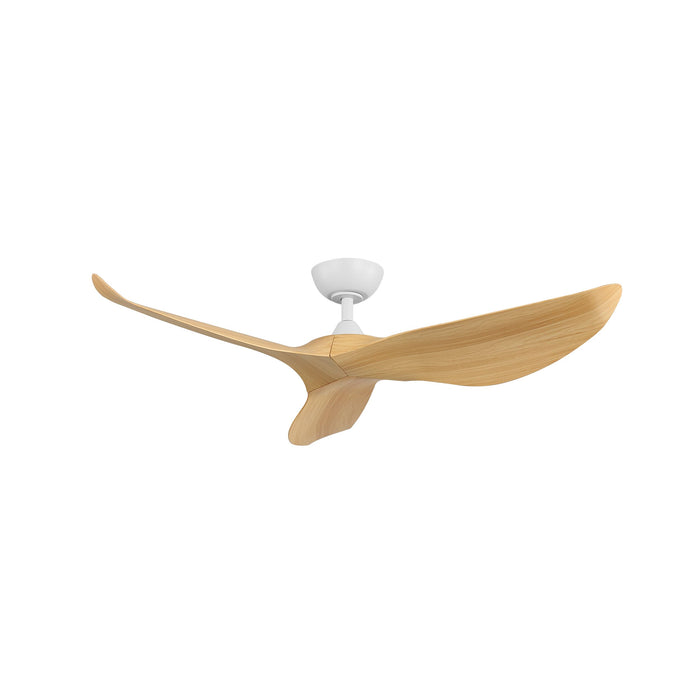
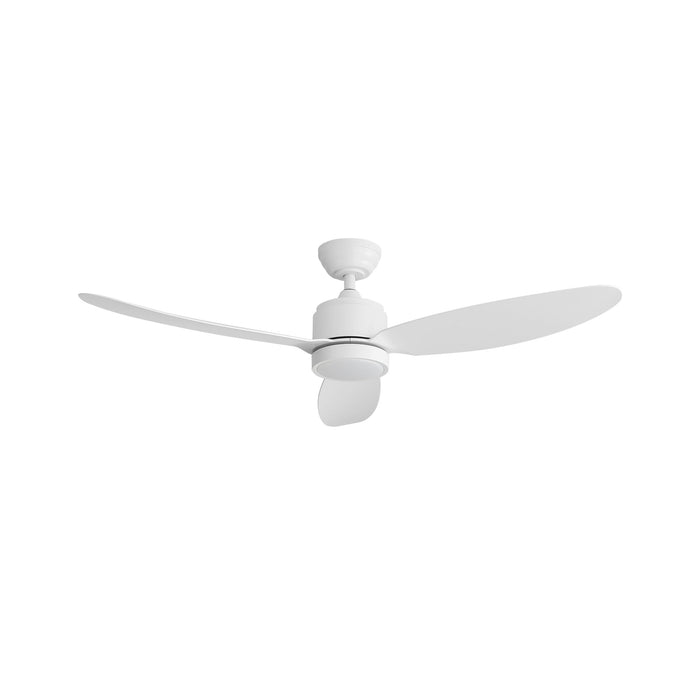
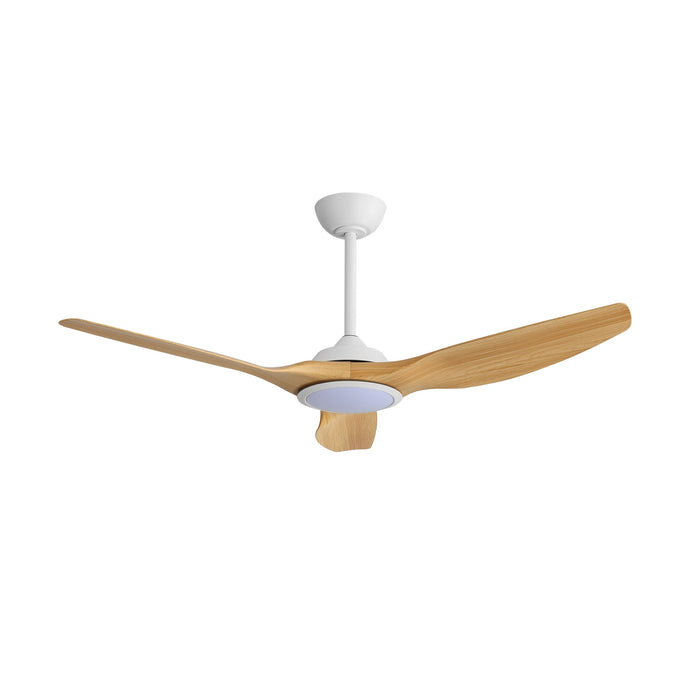
Tide 127cm Indoor DC Fan - White with Natural ABS Blades
$399.00Multibuy Price $299.00
-
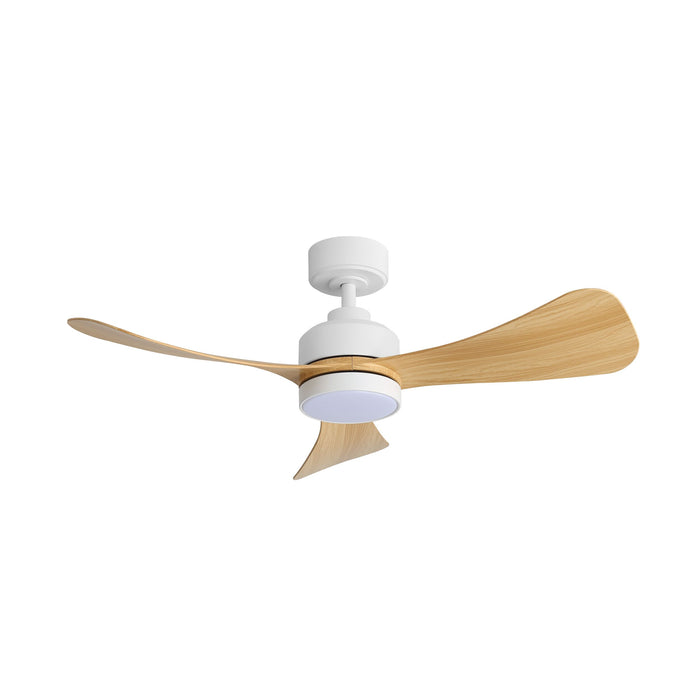
Cove 106cm Indoor DC Fan - White with Natural ABS Blades
$299.00Multibuy Price $224.00
-
Solace 132cm Outdoor DC Fan - White with White ABS Blades
$299.00Multibuy Price $224.00
-
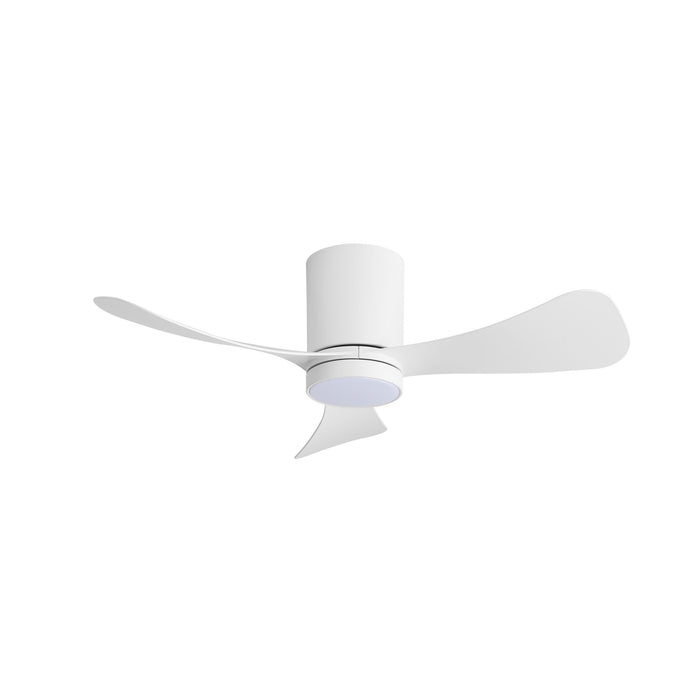
Cove Hugger 106cm Indoor DC Fan - White with White ABS Blades
$299.00Multibuy Price $224.00
-
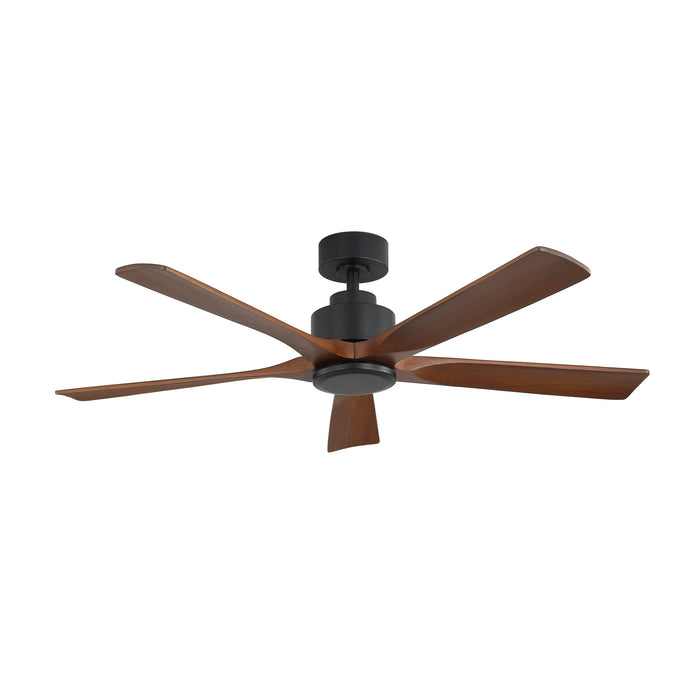
Coastline 142cm Indoor DC Fan - Black with Walnut ABS Blades
$349.00Multibuy Price $259.00
-
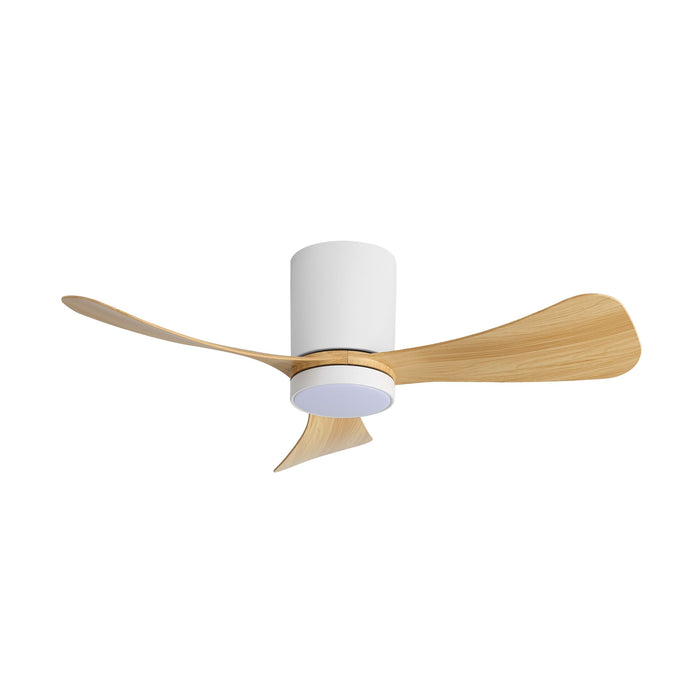
Cove Hugger 106cm Indoor DC Fan - White with Natural ABS Blades
$299.00Multibuy Price $224.00
-
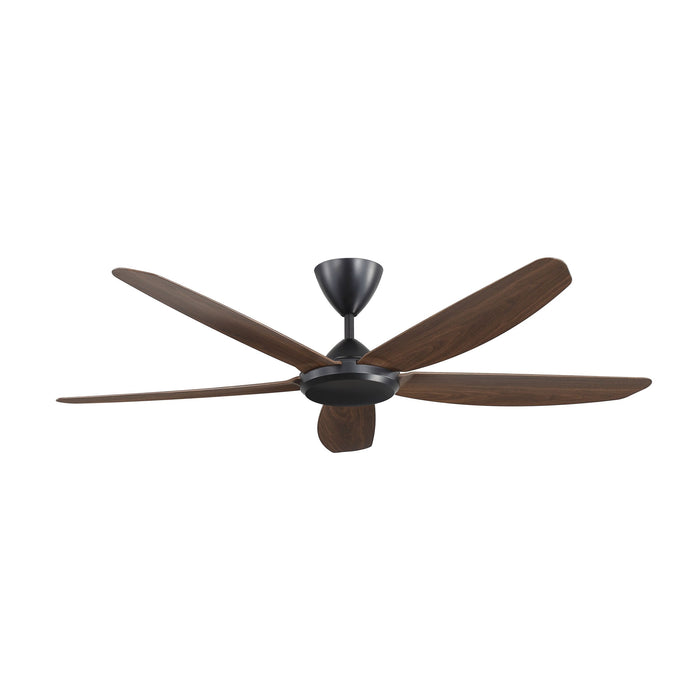
Breeze 132cm Indoor DC Fan - Black with Dark Walnut Timber Blades
$499.00Multibuy Price $374.00
-
Harbour 132cm Indoor DC Fan - White with Natural ABS Blades
$499.00Multibuy Price $374.00
Harbour 132cm Indoor DC Fan - White with Natural ABS Blades
$499.00Multibuy Price $374.00
Harbour 162cm Indoor DC Fan - White with Natural ABS Blades
$549.00Multibuy Price $409.00
-
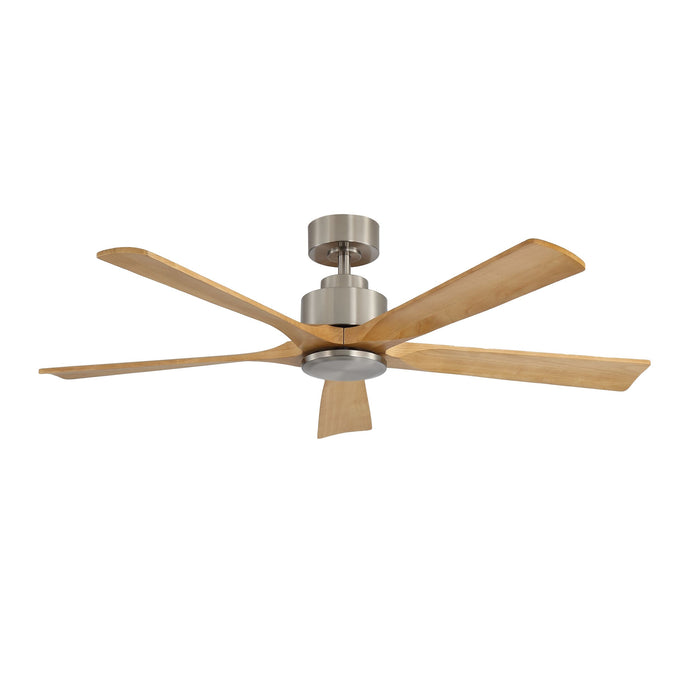
Solace 132cm Outdoor DC Fan - Satin Nickel with Natural ABS Blades
$349.00Multibuy Price $259.00
-
Harbour 162cm Indoor DC Fan - White with Natural ABS Blades
$549.00Multibuy Price $409.00
Harbour 162cm Indoor DC Fan - White with Natural ABS Blades
$549.00Multibuy Price $409.00
Harbour 132cm Indoor DC Fan - Black with Natural ABS Blades
$499.00Multibuy Price $374.00
-
Seabrook 182cm Indoor DC Fan - Black Aluminium Blades
$599.00Multibuy Price $449.00
-
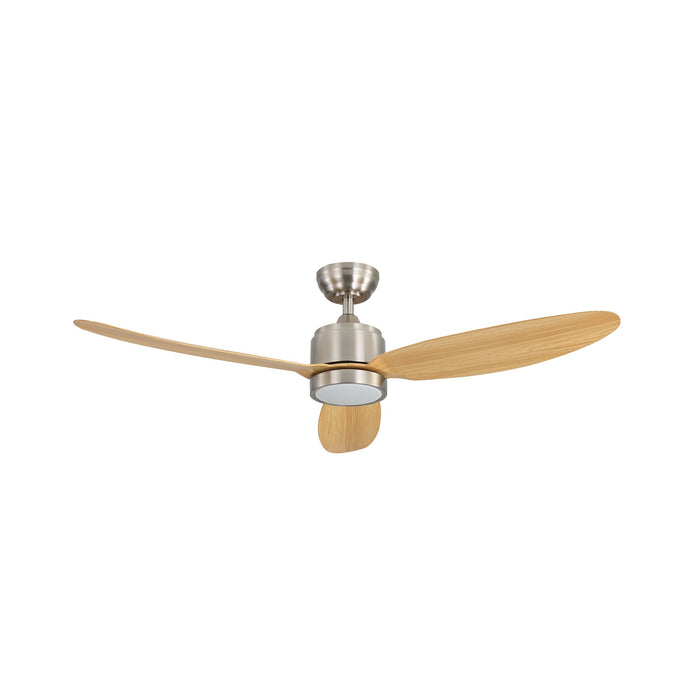
Breeze 132cm Indoor DC Fan - Satin Nickel with Natural Timber Blades
$499.00Multibuy Price $374.00
-
Solace 132cm Outdoor DC Fan - Black with Black ABS Blades
$299.00Multibuy Price $224.00
-
Harbour 132cm Indoor DC Fan - Black with Natural ABS Blades
$499.00Multibuy Price $374.00
Harbour 132cm Indoor DC Fan - Black with Natural ABS Blades
$499.00Multibuy Price $374.00
Harbour 162cm Indoor DC Fan - White with Natural ABS Blades
$549.00Multibuy Price $409.00













Showing 14 of 14 products
No products found.
Choosing the Right Indoor Ceiling Fan
Match the fan size to the room
Blade span is the measurement across the full sweep of the blades. It's the simplest way to match a fan to a room. As a rough guide:
- Around 100 to 110cm suits a small bedroom, study or nursery.
- Around 120 to 132cm works for most bedrooms and standard living rooms.
- 140cm and above is better for large living areas and open-plan spaces.
In a long open-plan room, two mid-sized fans often spread the breeze more evenly than one very large fan. Put one over the lounge and one over the dining table.
Check your ceiling height
On a standard flat ceiling, most fans hang from a short drop rod. If your ceiling is on the low side, a hugger fan mounts close to the ceiling, which keeps the blades at a safe height while still moving air. Raked or high ceilings usually need a longer drop rod so the breeze actually reaches you. Your electrician will confirm the right setup and clearance for your room.
Pick blades and finishes that suit the room
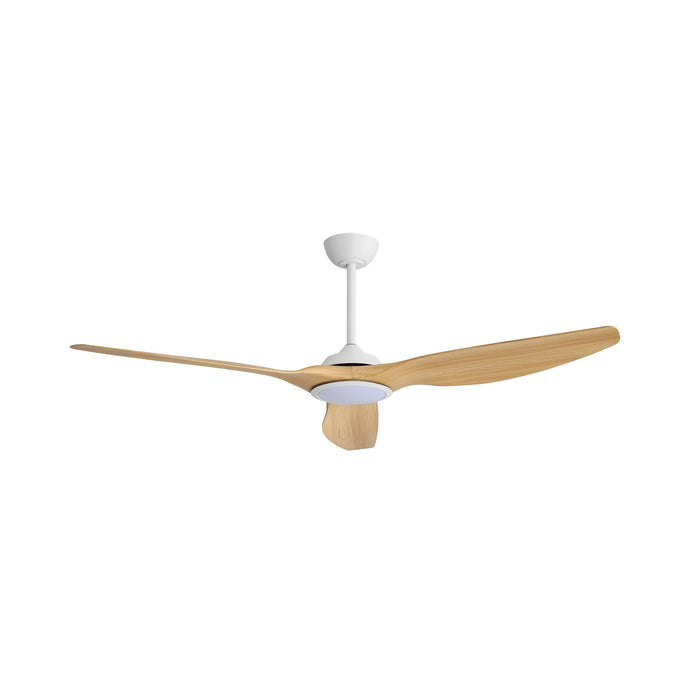
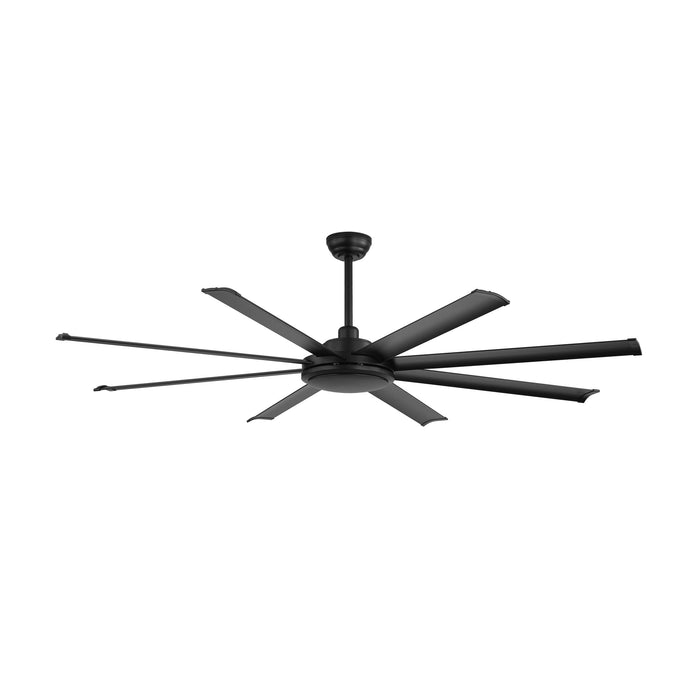
Blade material changes the look more than the feel. ABS blades are light and easy to wipe clean, and some are finished to look like timber. Real timber blades bring a warmer, more natural look that sits well alongside timber furniture. Aluminium blades are slim and often used on larger fans.
For the motor housing, match the finish to other metals in the room, such as light fittings or door handles. That way the fan won't look like an afterthought.
Lights, controls and year-round use
Some ceiling fans include an integrated LED light. This is handy in a bedroom where the fan takes the place of the main ceiling light. If you choose a fan without one, bedside lamps or a floor lamp can fill the gap.
Many DC fans come with a remote and several speed settings, so you can keep a low, quiet breeze going overnight. Many also have a reverse function. In winter, running the fan slowly in reverse pushes warm air from the ceiling back down into the room.
Installation and outdoor spaces
Hardwired ceiling fans need to be installed by a licensed electrician. If you need extra parts for the install, take a look at our fan accessories.
Indoor-only fans aren't made for patios or alfresco areas. For covered outdoor spaces, browse our outdoor ceiling fans. To compare every fan we stock, indoor and outdoor, head to ceiling fans.