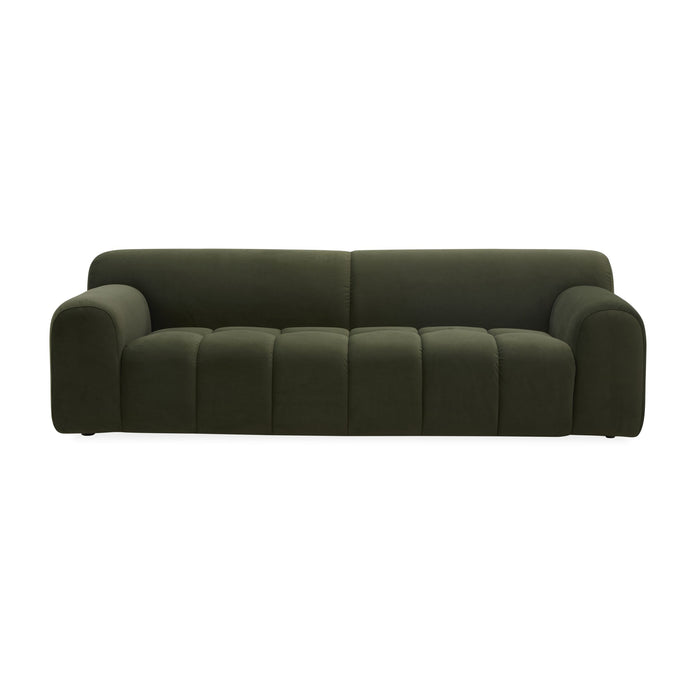
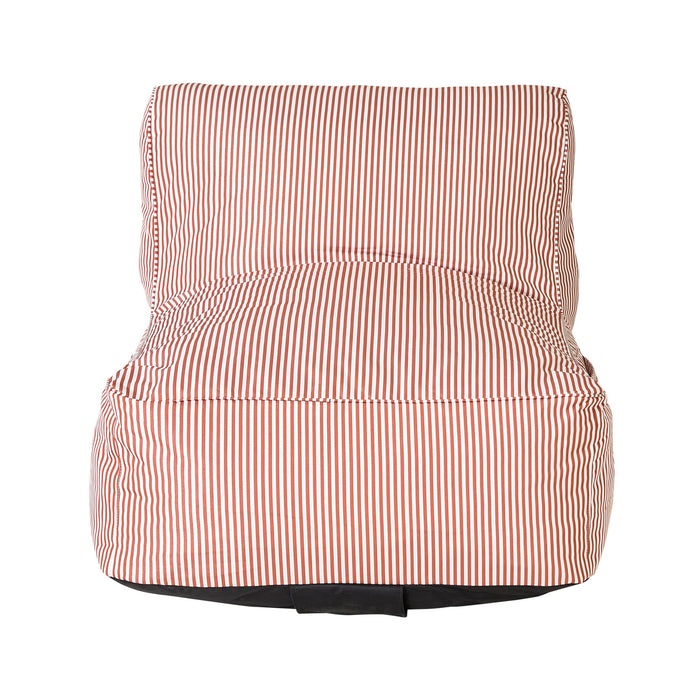
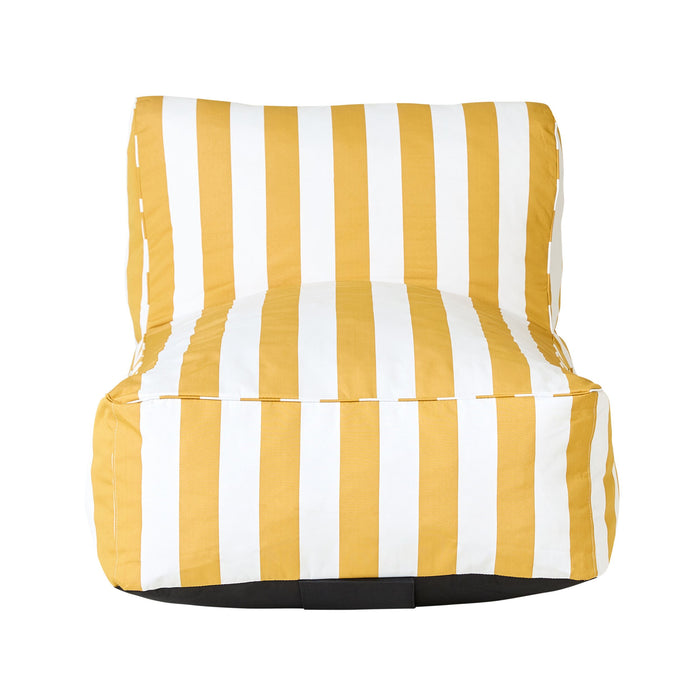
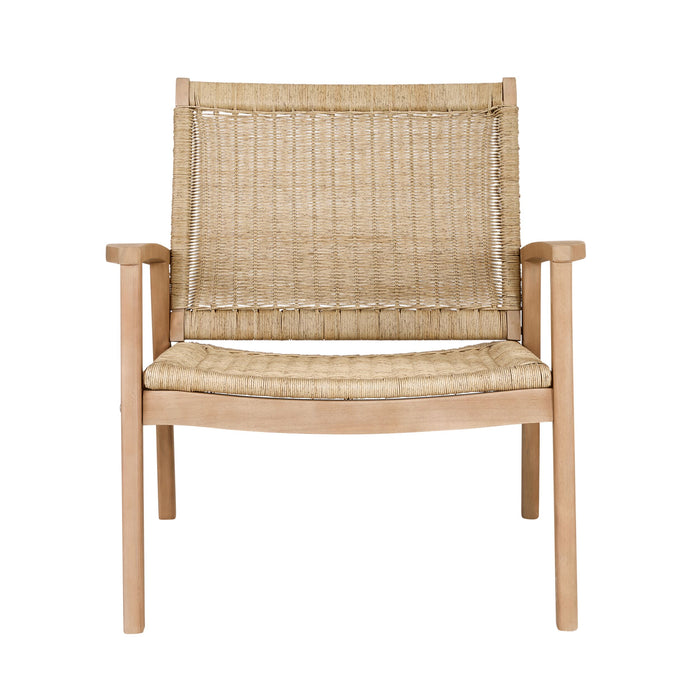
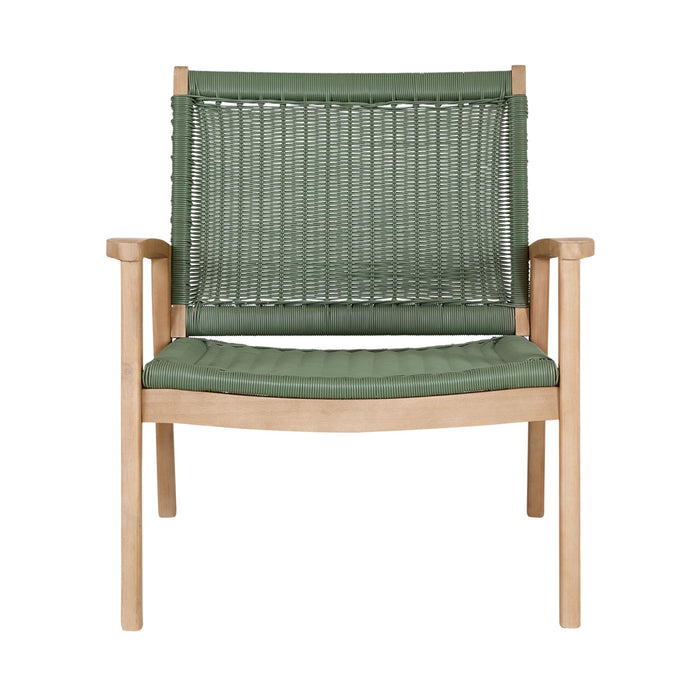
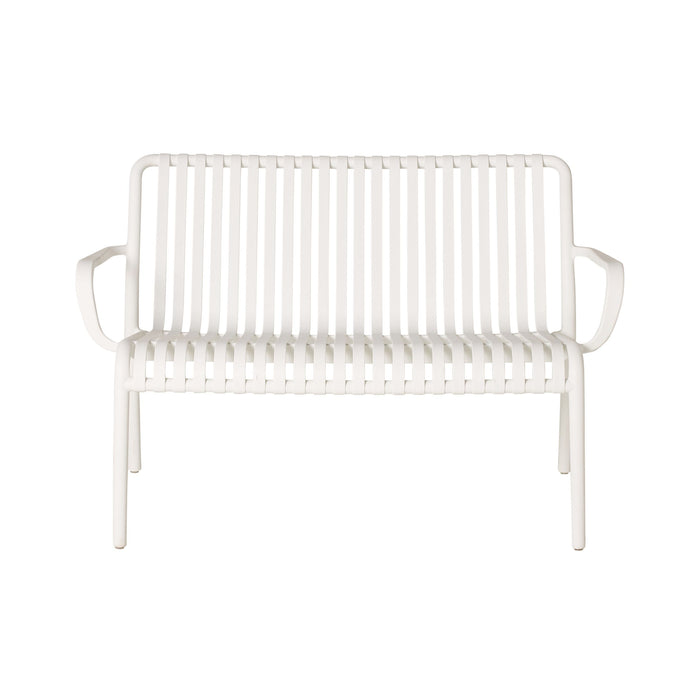
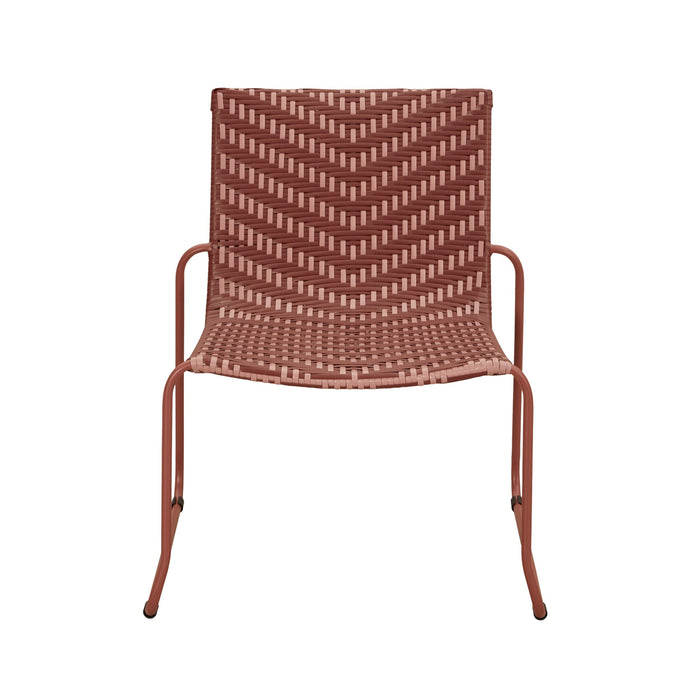
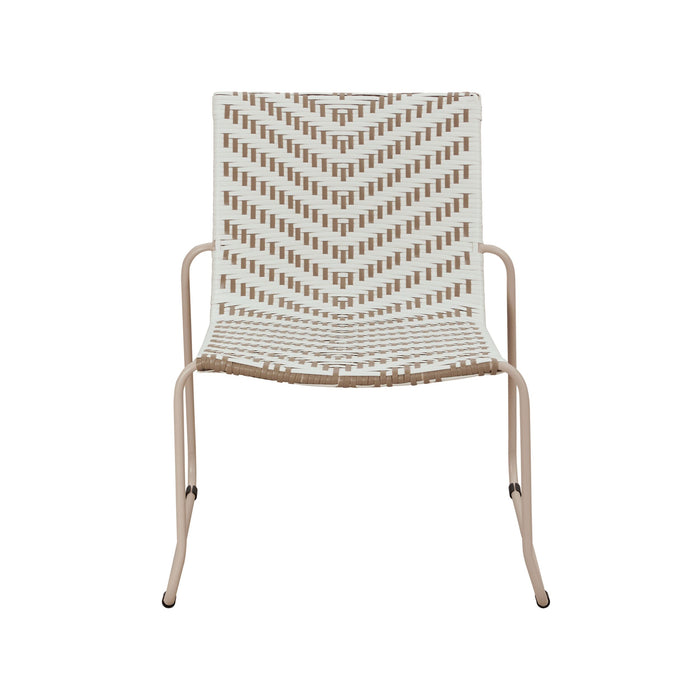
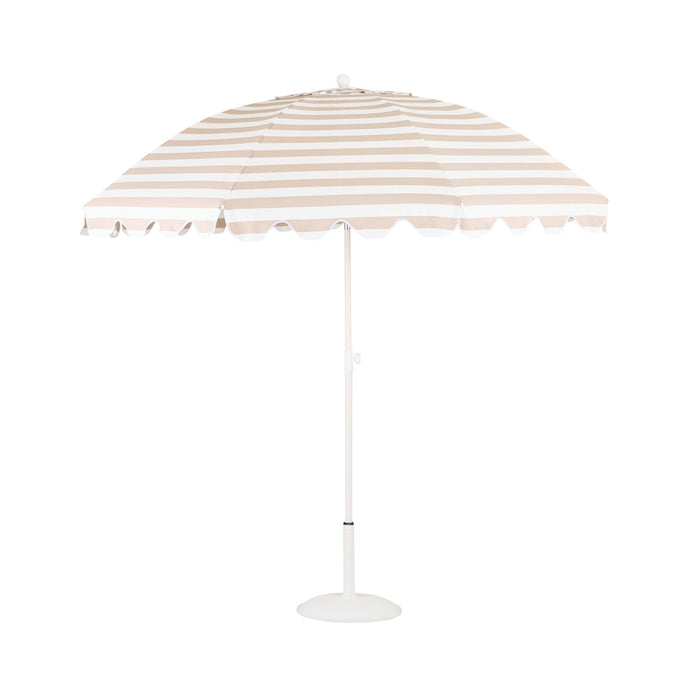
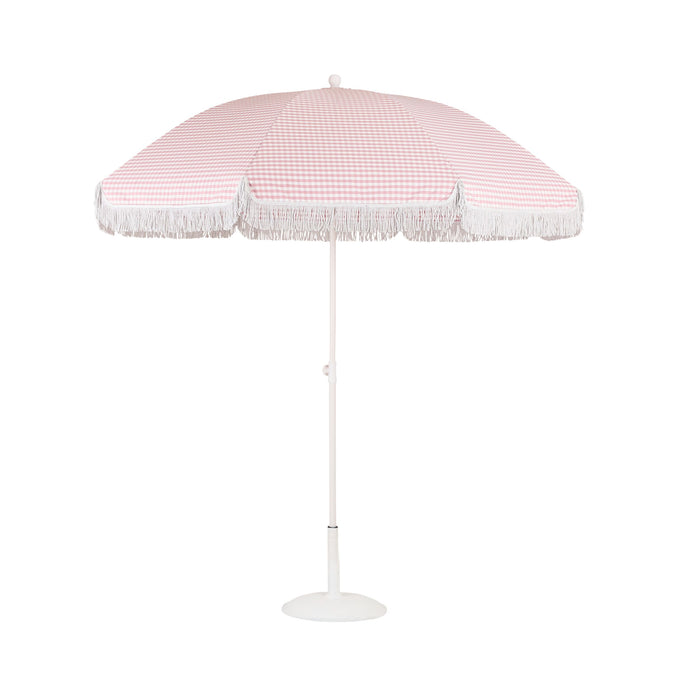
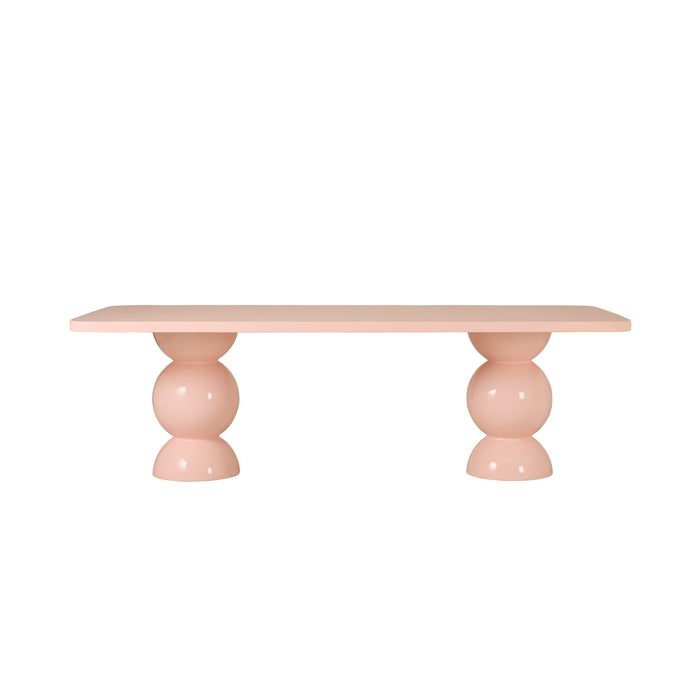
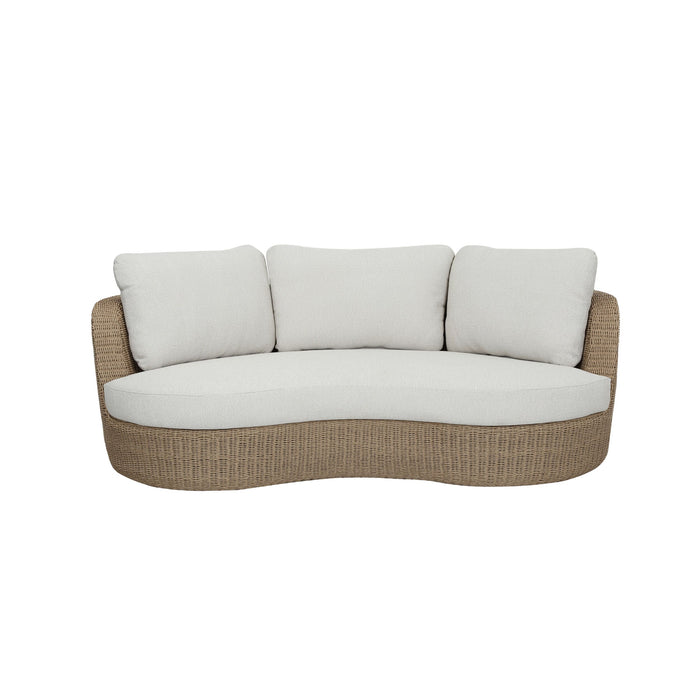
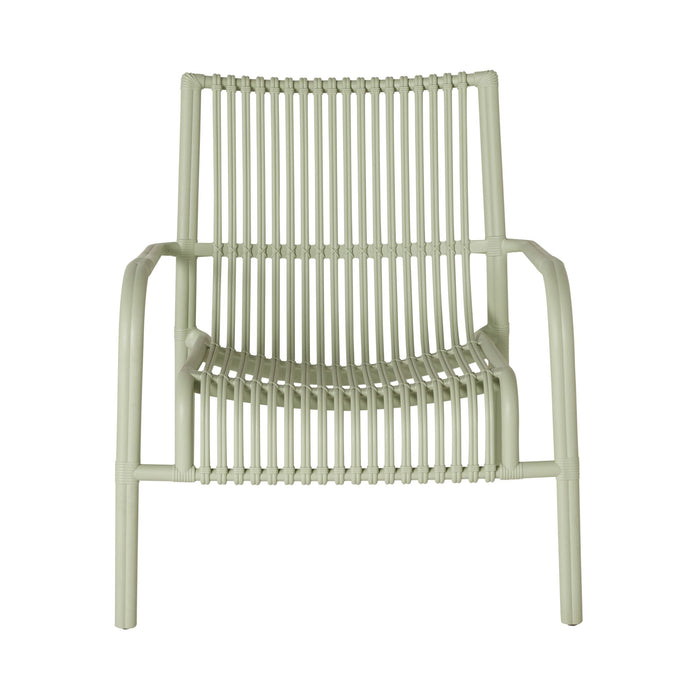
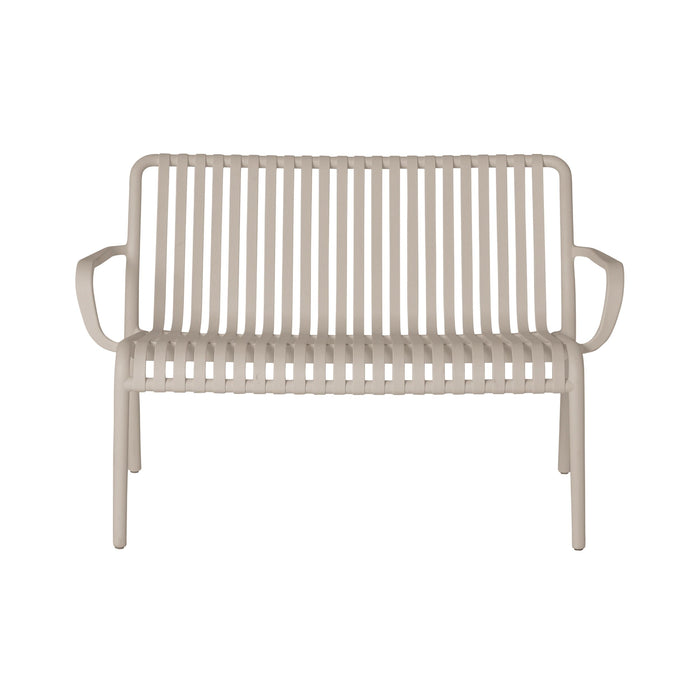
All Outdoor Furniture

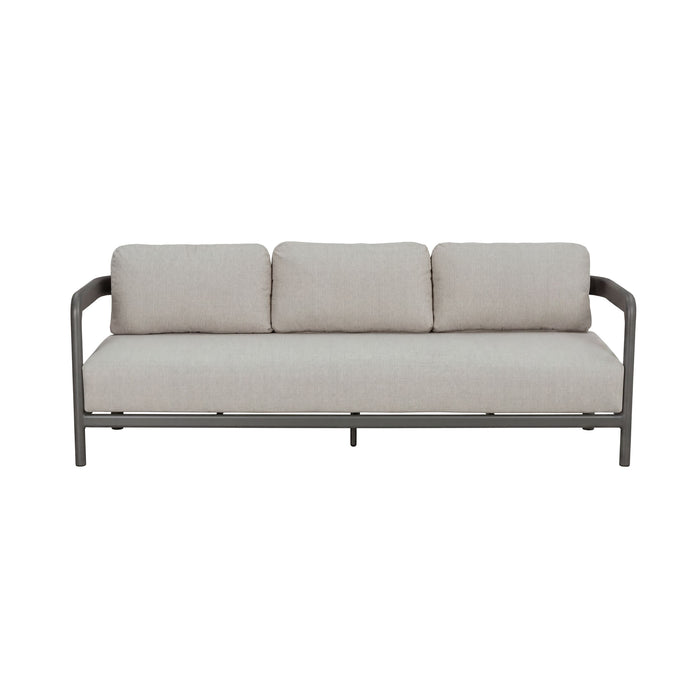
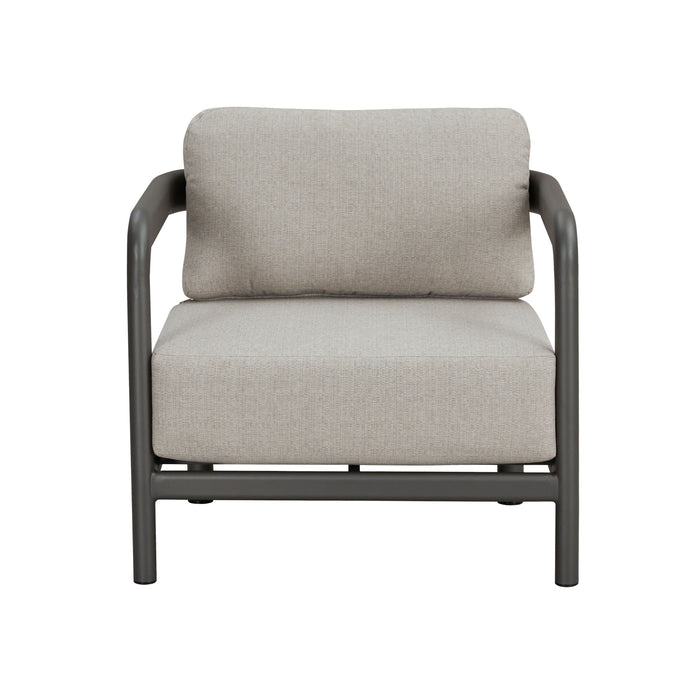
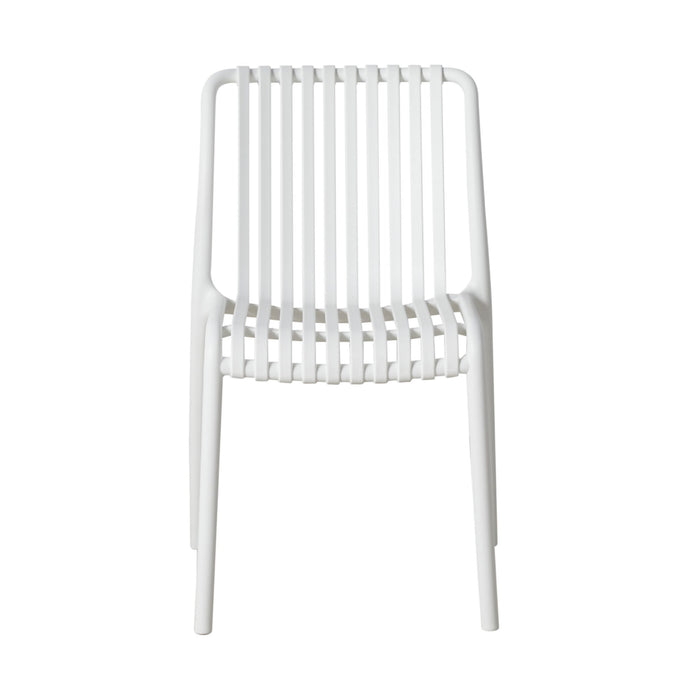
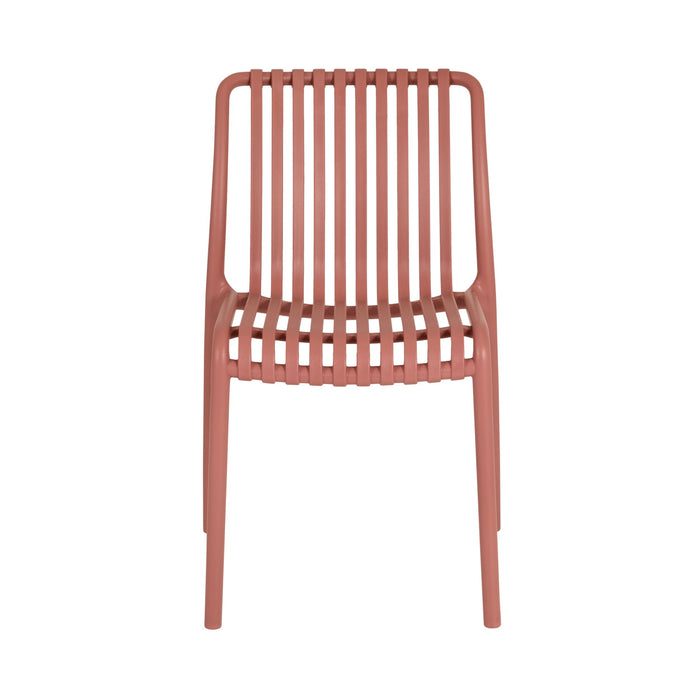
The best summers happen outside, somewhere between the last plate of lunch and the first mosquito. Early Settler's outdoor furniture range covers dining settings, lounges, accessories and packages built from teak, powder-coated aluminium and hardwearing fabrics that hold up to Australian sun and rain.

Make Room for Outdoor Living With Early Settler

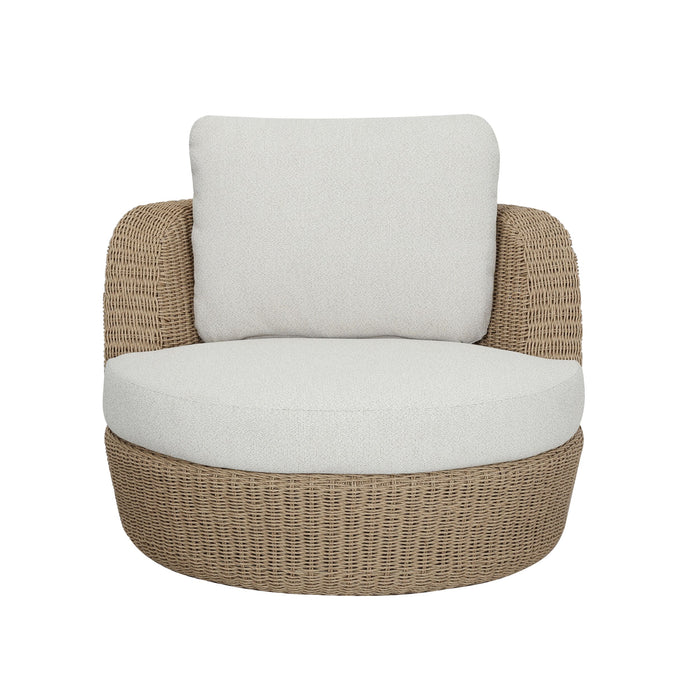
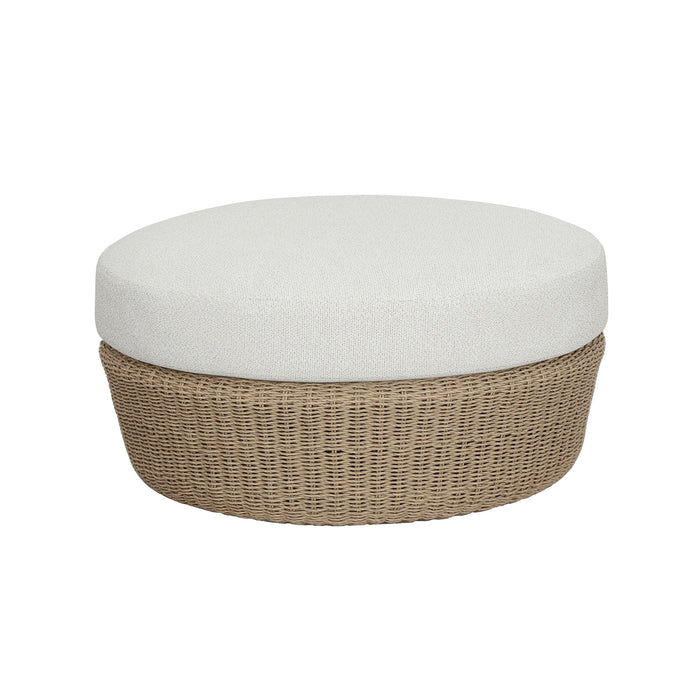
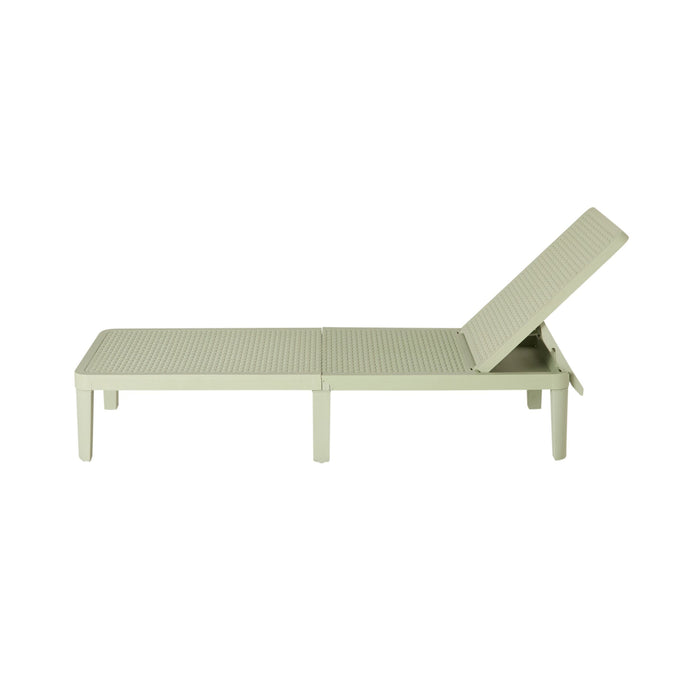
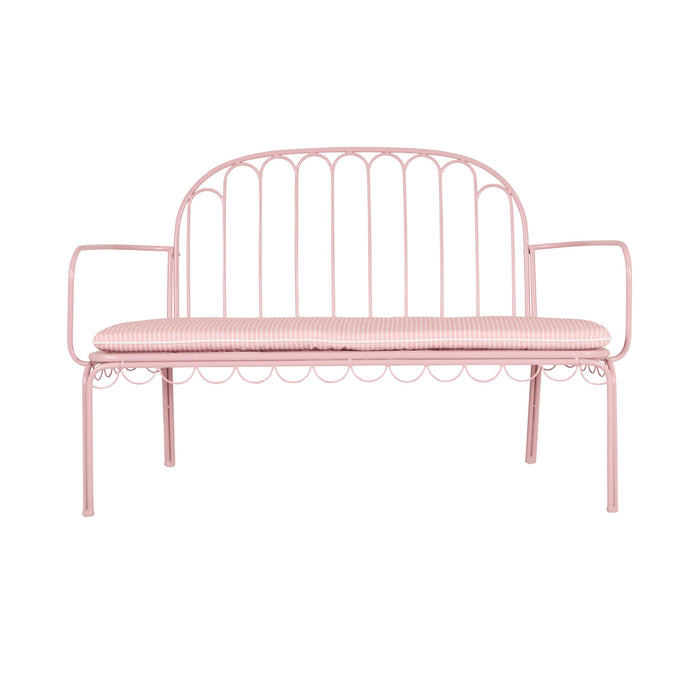
Early Settler's outdoor furniture range covers dining settings, lounge settings, sun lounges, tables and the accessories that finish a space off. A big backyard or a balcony with room for two, there's something sized to fit.

We've been sourcing garden furniture for Australian homes since 1985, and forty years of harsh sun and salt air will teach you plenty about what holds up. That's the thinking behind every piece we put outside.


What does an outdoor setting mean in Australia?

An outdoor setting is the Australian term for a matched group of outdoor furniture sold and styled together, rather than pieces collected one at a time. Most other markets call it patio furniture. Here, it usually means one of three things: outdoor dining sets built around a table, an outdoor lounge set arranged for sitting back, or a compact bistro setting for a balcony.

Our design team plans settings as a group from the start, so the proportions sit right together.


Which outdoor furniture materials last longest in Australia?

Teak lasts longest. Its natural oils resist moisture, UV and insects with no ongoing treatment, which is why it outlives softer timbers like eucalyptus and pine that split and grey within a couple of seasons. Our reclaimed teak collection is built from timber salvaged from demolished buildings and old wharves, so it has already weathered forty years or more before it reaches your deck.

The rest of the range earns its place too, and each material behaves differently once the weather sets in:

  • Acacia – This dense hardwood handles sun and rain well, and a light oil once or twice a year keeps its warm colour.
  • Metal – Powder-coated aluminium and galvanised steel frames resist rust, which makes metal the most reliable option for coastal and high-rainfall homes.
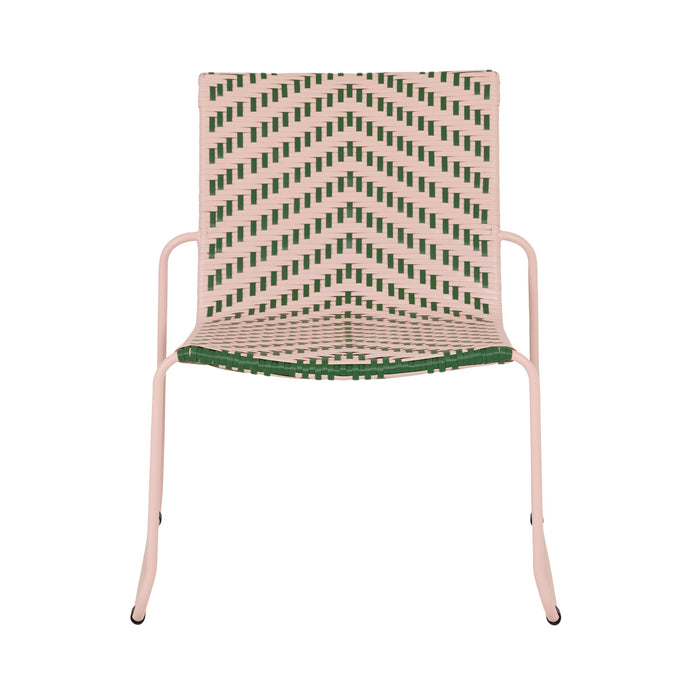
  • All weather wicker and synthetic rope – Both are woven over metal frames and shrug off UV without the cracking and fraying that catches out natural cane.
  • Composite stone and concrete – Tabletops in these hold their shape through heat and rain, and the weight keeps them steady on a windy deck.
  • Glass – Tempered glass tabletops wipe clean in seconds and hold up to heat and UV without clouding.
  • Polyester – High-performance polyester fabrics shed water and resist fading, so cushions stay looking right through summer.


The best outdoor furniture for coastal, humid and dry climates

Match the material to your weather. Salt air corrodes fixings, humidity swells and warps timber, and relentless dry heat fades fabric and turns cheap plastic brittle. Our store teams see the same piece age differently in Cairns and Canberra, and that shapes what we stock where.

Three of our outdoor living collections handle these conditions particularly well:

  • Kace Collection – Powder-coated galvanised steel puts two barriers between salt air and the metal underneath, which makes Kace a reliable pick for coastal homes.
  • Reclaimed Teak Collection – Teak's natural oils stop humidity swelling and splitting the timber, so it is well suited to Queensland and northern NSW climates.
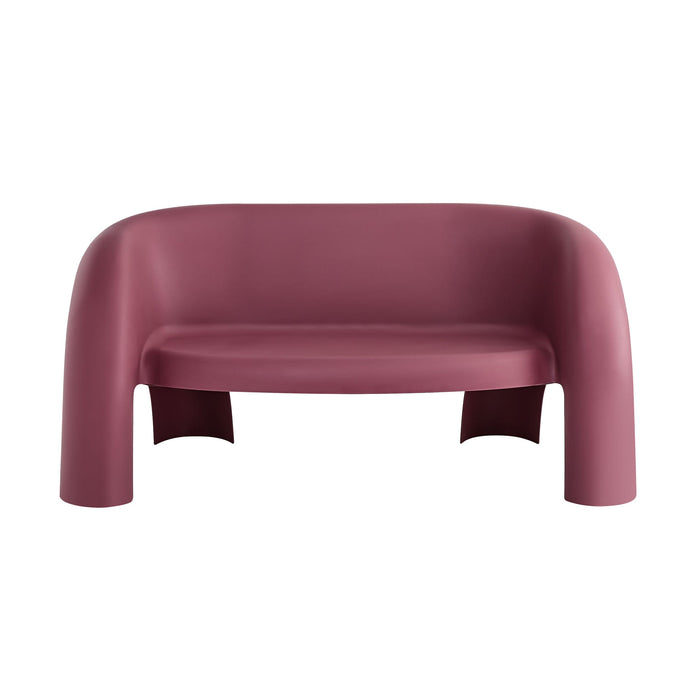
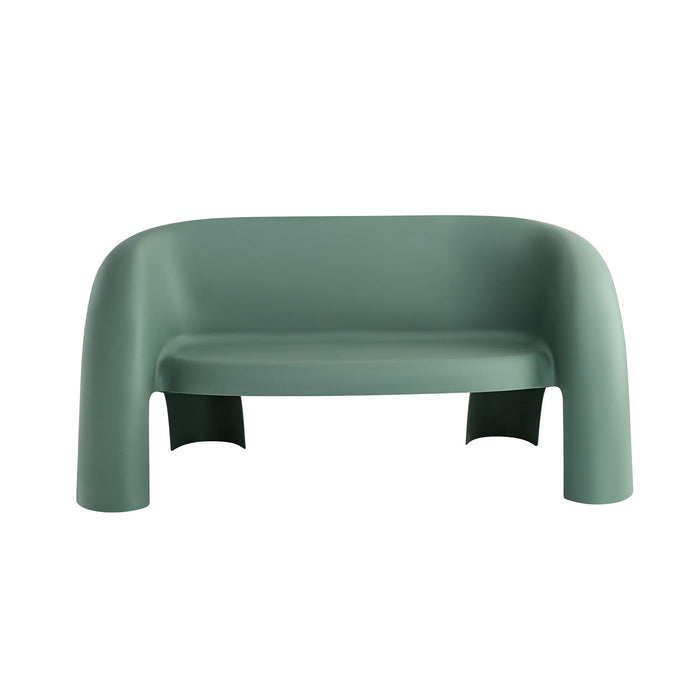
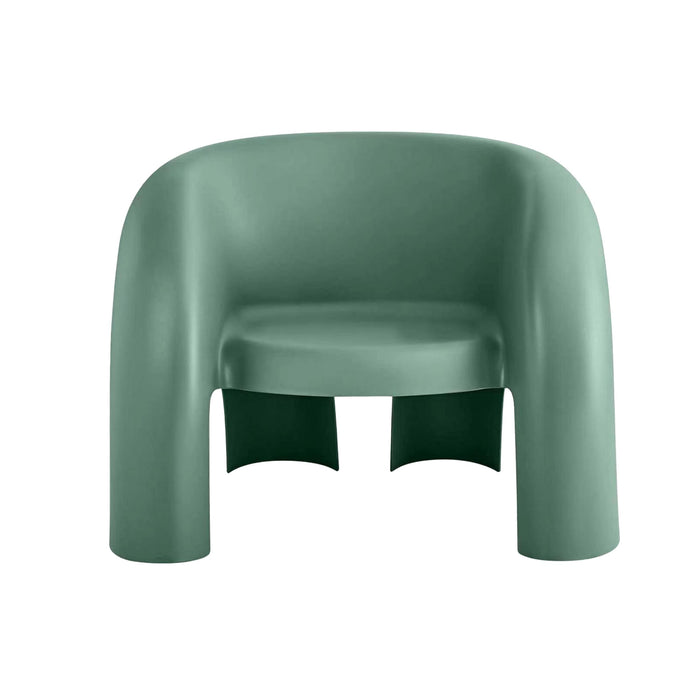
  • Ripple Collection – Glassfibre reinforced concrete and magnesium oxide composite will not dry out and split the way timber can in low humidity, so Ripple holds its finish through hard inland summers.


What should you include in an outdoor living space?

Start with the anchor piece and build out. Seating or a dining setting comes first, shade second, then the smaller layers. With roughly 3,500 pieces across 15+ categories, it can all come together without looking like four different shops turned up.

The order that tends to work best:


How do you choose the right outdoor dining table size?

Allow 60cm of table edge per person. That puts a four-seater outdoor dining table at around 120cm long, six seats at 180cm, eight at 240cm and ten at 300cm. Leave 90cm of clearance behind the dining chairs so people can stand up without shuffling sideways.

Narrow decks suit a round table better, since a 120cm round comfortably seats four. For outdoor dining in a tight courtyard, bar stools at a slim bench free up more floor space than a full setting will.


What outdoor furniture works best on a small balcony?

A two-seater outdoor bistro set is the safest bet. You need roughly 1.5m of depth to seat two people and still walk past, so measure before you shop. Check your building's weight limits and fixings rules too, since many apartments restrict what can sit on a balcony.

Stackable chairs and a folding table clear the floor when you want the space back. A slim side table beside a single outdoor armchair works where a full setting won't fit. Lighter frames and open forms keep a small balcony feeling open rather than crowded.


Protect your outdoor furniture from sun, rain and moisture

Rain is rarely the problem. Standing water, salt residue and constant UV are what shorten a piece's life, so the goal is drying and cleaning rather than keeping everything bone dry. Rinse salt off coastal pieces every few weeks, and let cushions dry flat before they go away.

Cover what you can when a stretch of bad weather sets in, and use outdoor storage for cushions over winter. UV-resistant fabrics fade slower but still appreciate shade. Oil timber once a year. Our outdoor care and maintenance guide covers the specifics by material.

Every Early Settler piece carries a minimum 12-month warranty, and looking after it well keeps it in good shape long past that.


Outdoor styling ideas for relaxed Australian living

Pick a mood and let it guide the pieces. Earthed is our aesthetic for grounded, organic styling, built around warm earthy tones, natural texture and solid shapes that bring a bit of calm into everyday Australian homes. It translates beautifully outdoors, where the light does half the work for you.

Here are a few ways to bring it to life:

  • Layer in soft landing spots. Daybeds and hammocks turn a corner of the garden into somewhere people actually stay for an hour.
  • Give the space a centre. Fire pits pull chairs into a circle and stretch a summer evening well past sunset.
  • Warm it up after dark. Outdoor lighting strung overhead or set low along a path changes how a space feels more than any single piece of furniture.
  • Keep the palette natural. Timber, rope and woven texture in sand and clay tones sit comfortably against Australian greenery.


Create an outdoor space you will love living in

Bring a photo of your space and the measurements into any Early Settler store, and someone on the team will work through it with you. They will tell you what fits, what to buy first, and what can wait until next summer.

Prefer to start from the couch? Browse the full outdoor range online, save what you like, then come in and sit on it before you decide.


FAQs

What outdoor furniture can be left outside all year?

Teak, powder-coated aluminium and all-weather wicker can stay outside year-round in most Australian conditions, provided they are cleaned regularly and timber is re-oiled once a year. Use a furniture cover or store pieces undercover when they will not be used for months. Bring cushions and outdoor rugs inside over winter.


Is acacia as good as teak for outdoor furniture?

Teak lasts longer. Acacia is a dense hardwood that performs well outdoors and costs less, but it needs oiling once or twice a year to stop it drying and greying. Teak needs none of that maintenance.


Are outdoor furniture covers worth it?

Yes, for outdoor cushions, timber and anything stored over winter. Covers are less useful on powder-coated aluminium, which handles rain fine on its own. Use breathable covers rather than plastic sheeting, since trapped moisture causes more damage than rain does.


Why is outdoor furniture so expensive?

Outdoor furniture uses materials built to survive UV, rain and salt, and those cost more than indoor equivalents. Early Settler sits deliberately between discount retailers and high-end boutiques, which puts quality construction within reach of a normal household budget.


How do you clean outdoor furniture cushions?

Brush off loose dirt, then wash the covers in warm water with mild detergent and rinse thoroughly. Air dry them flat and fully before they go back on, since damp foam grows mould quickly. Check the care label for machine-washable covers.